 Ventura, CA Headquarters

Precision Fire Protection News
The Preventable Crisis of Construction Site Fires

From Blueprint to Inferno: A Deeper Look at the Preventable Crisis of Construction Site Fires
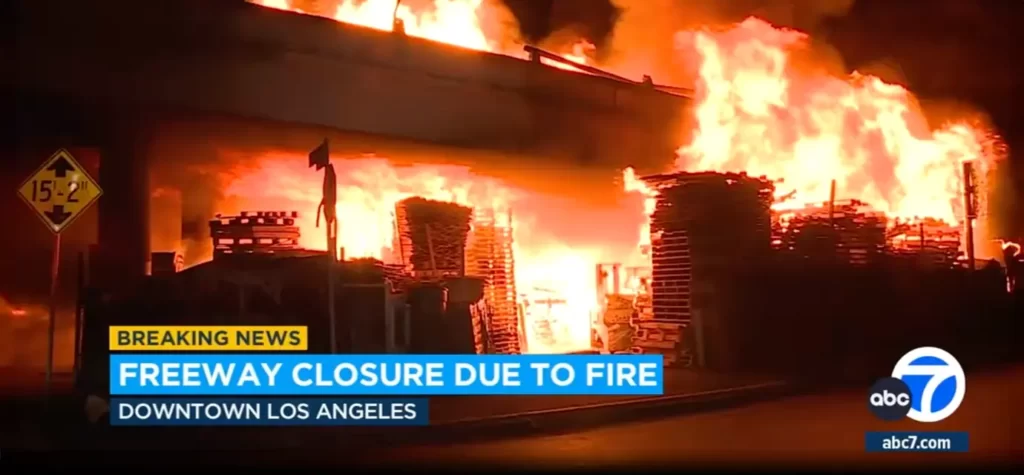
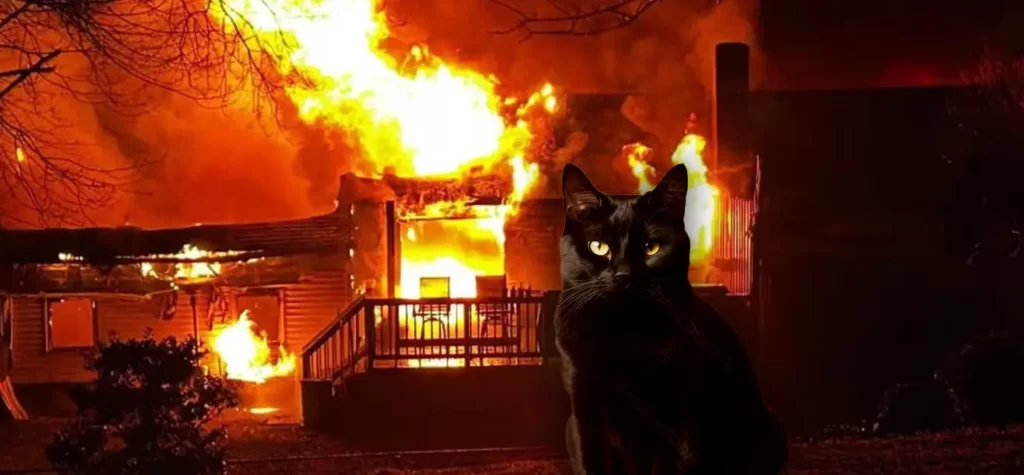
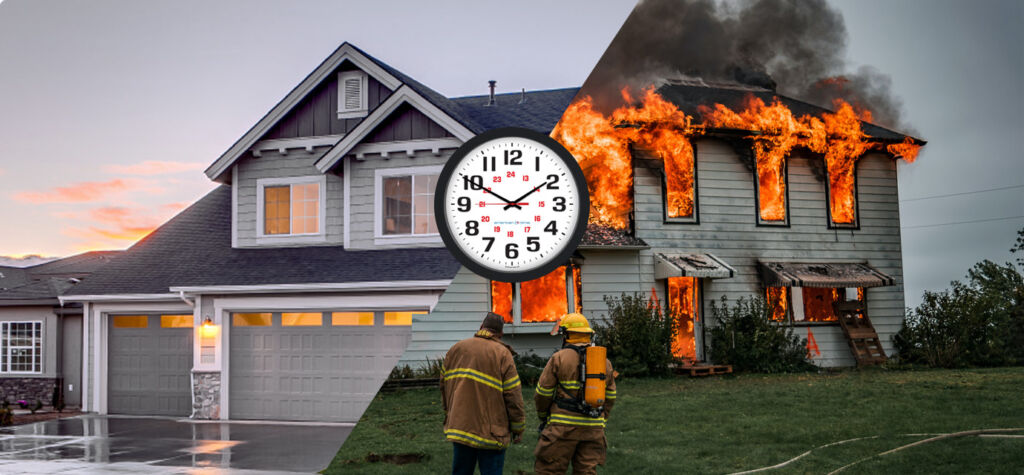
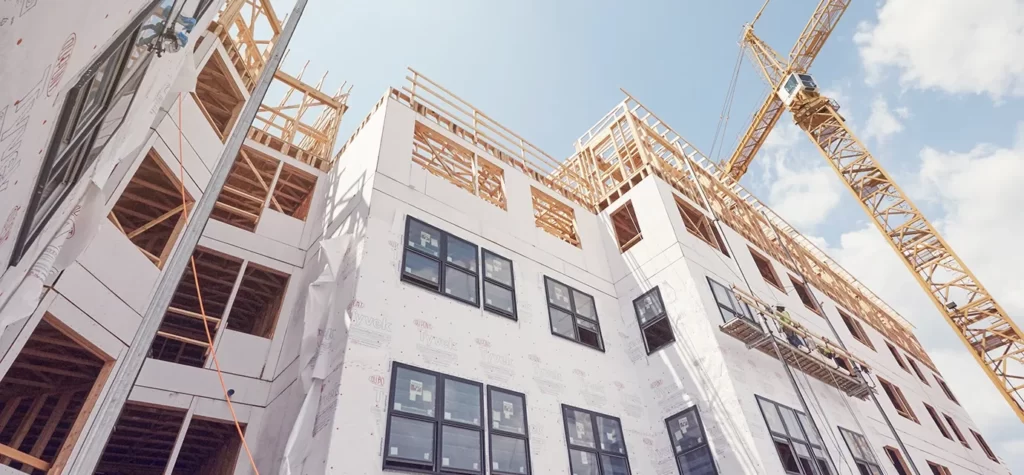
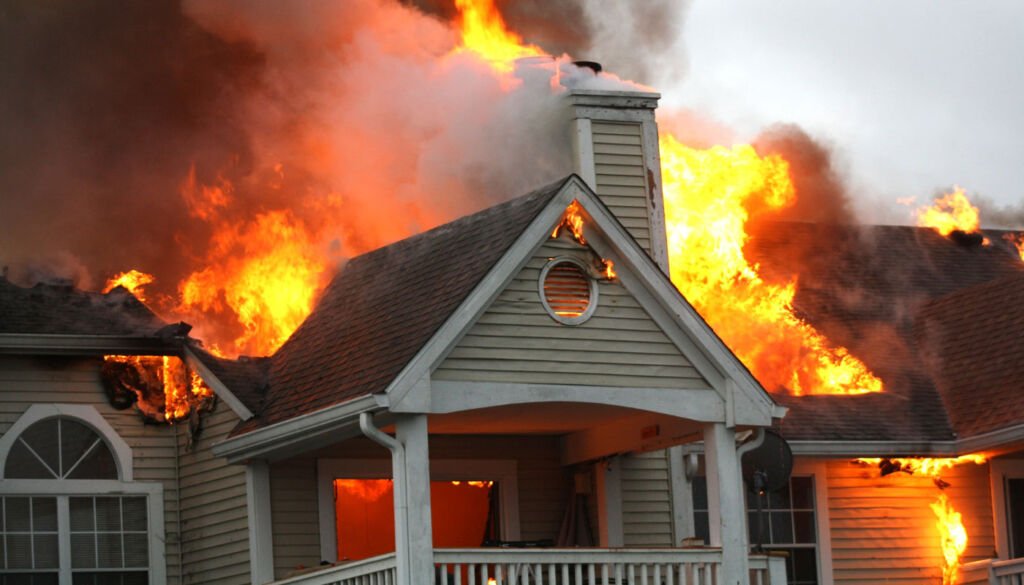
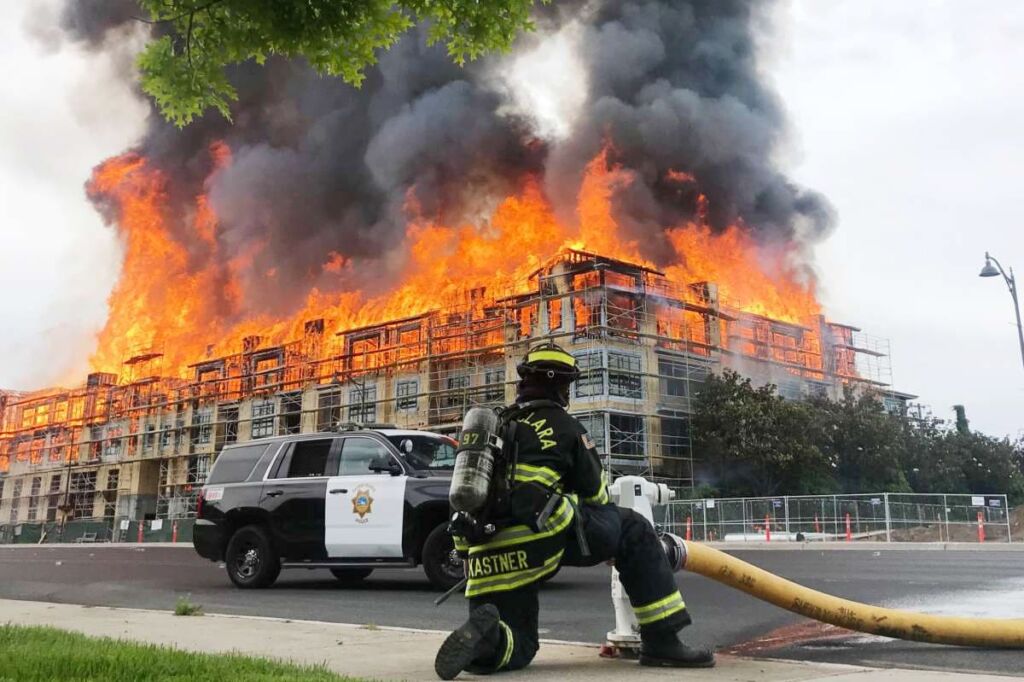
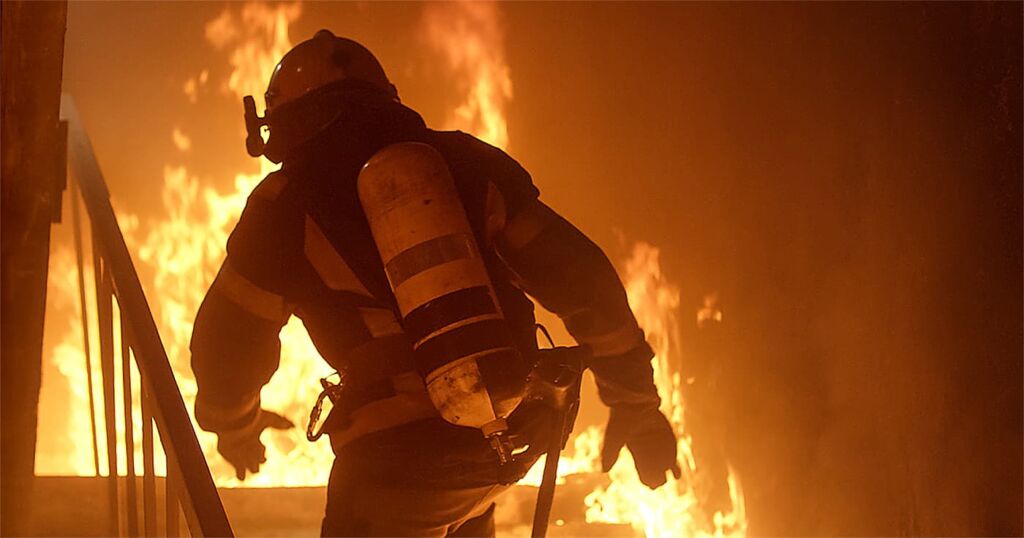
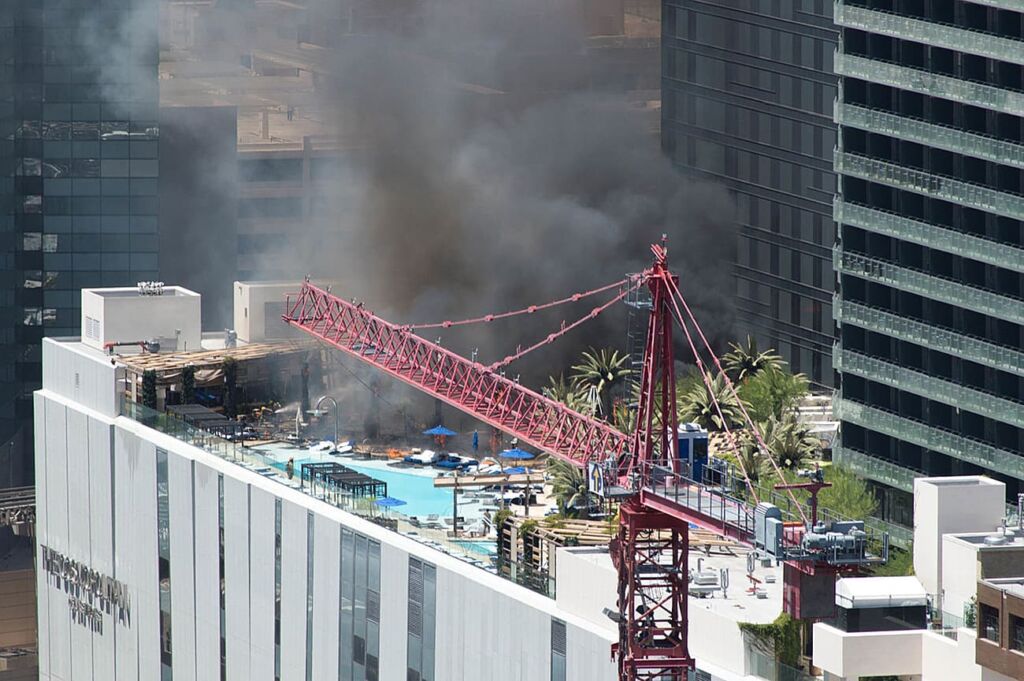
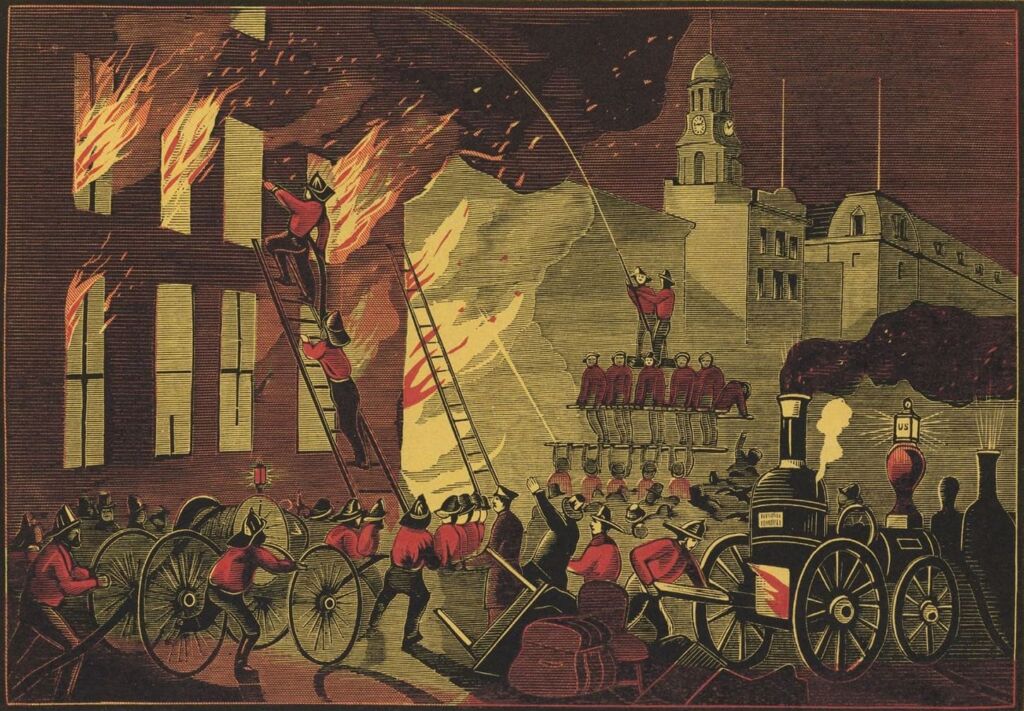
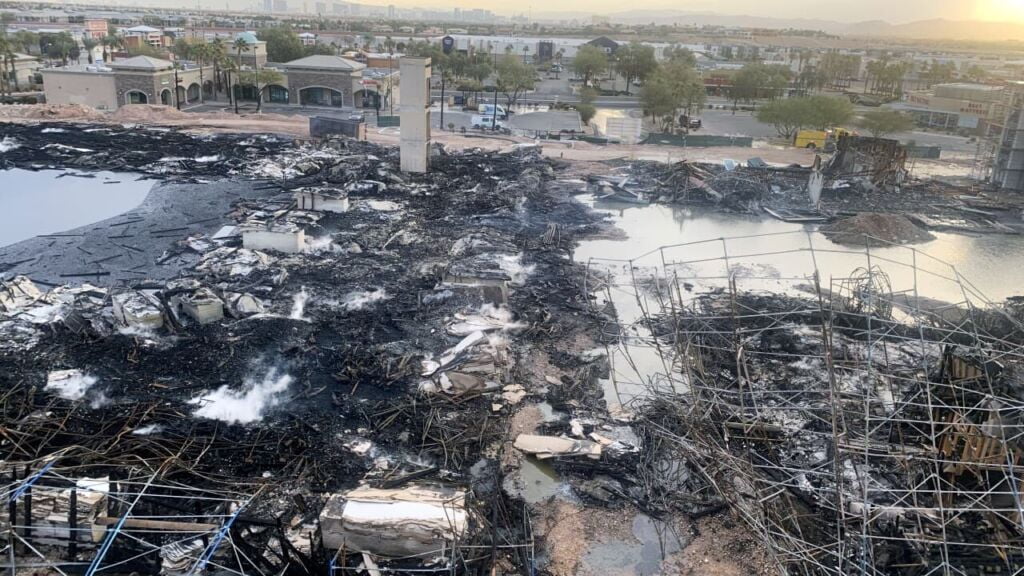
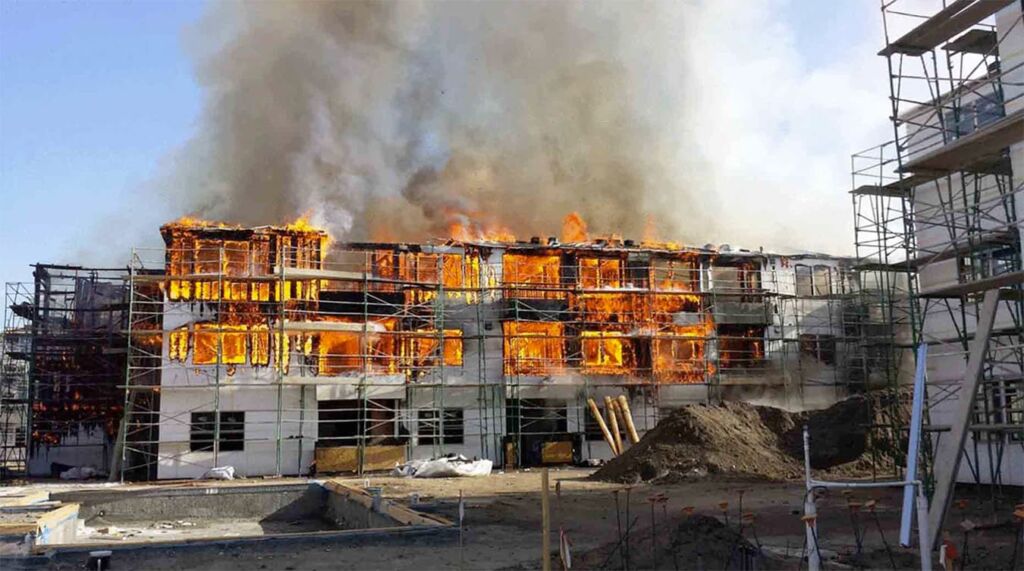
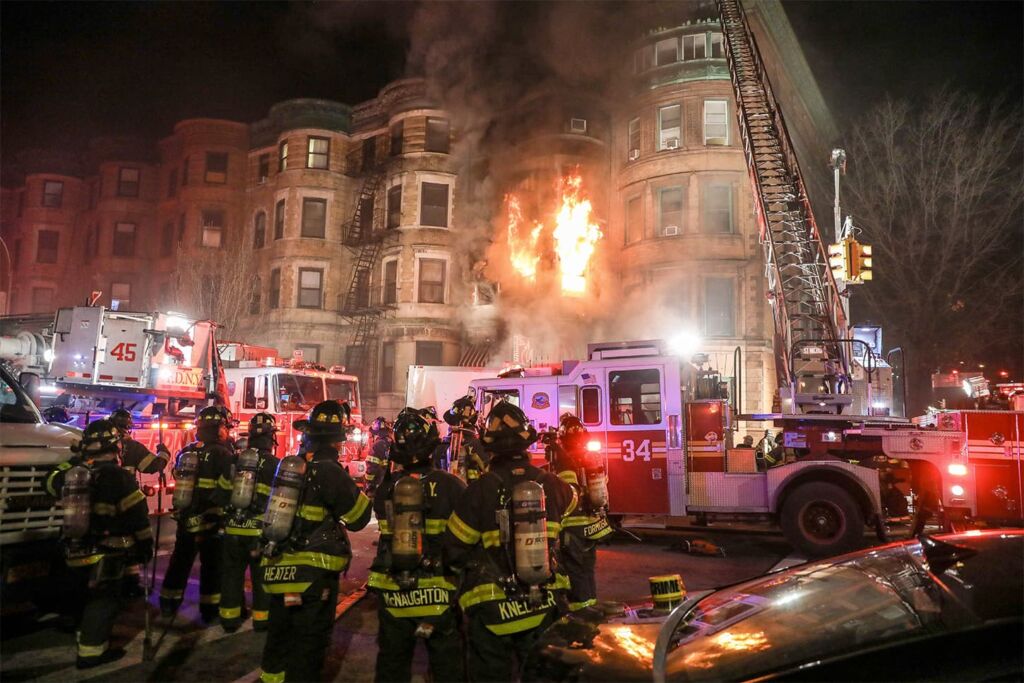
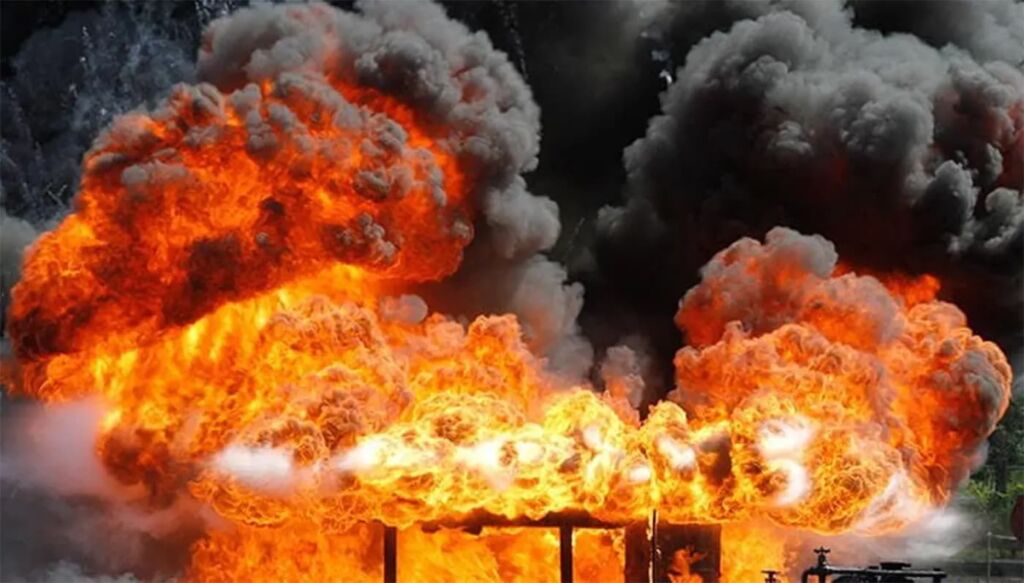
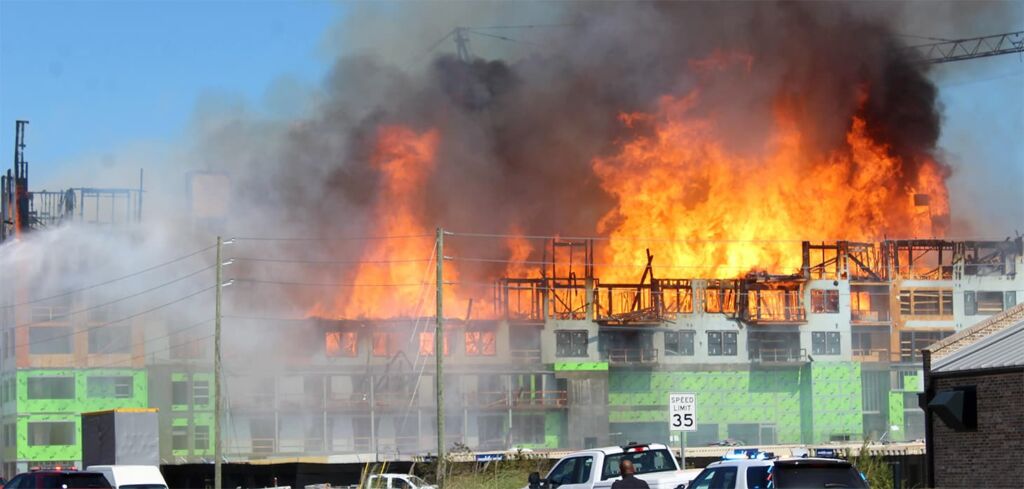
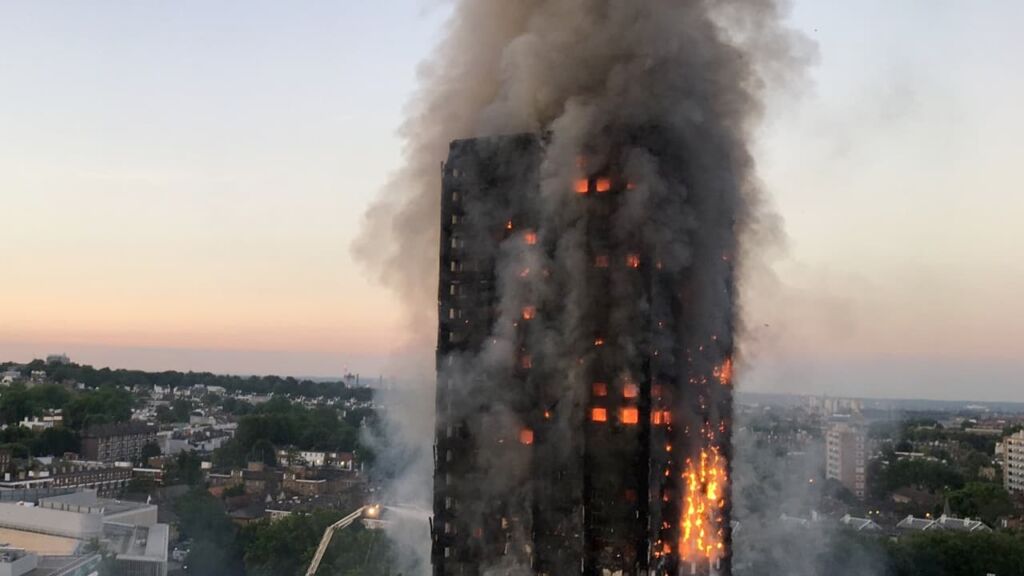
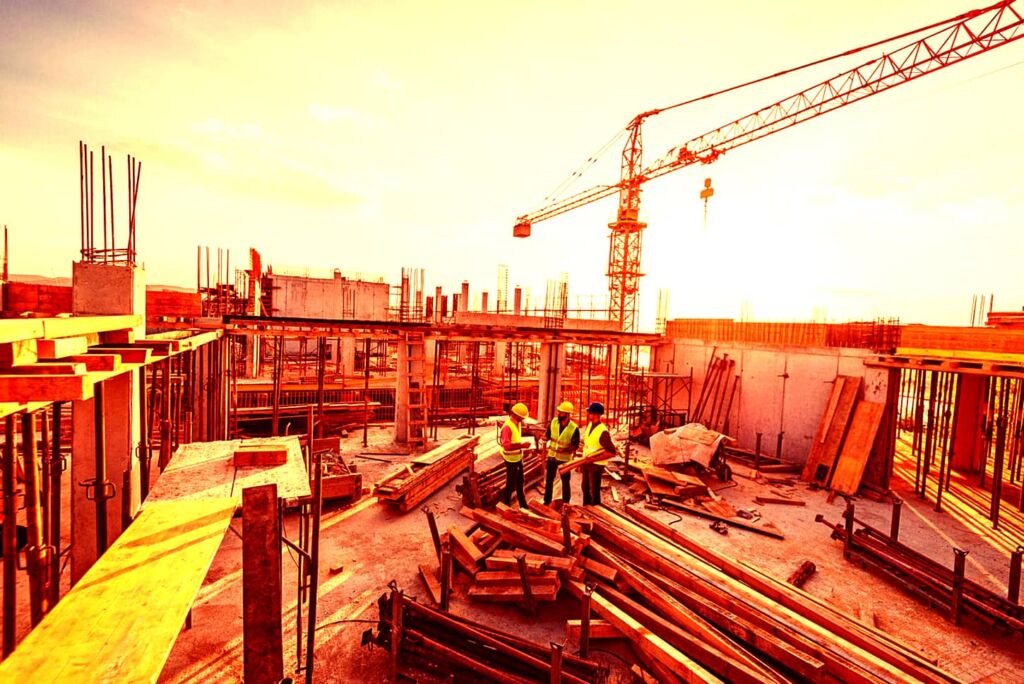
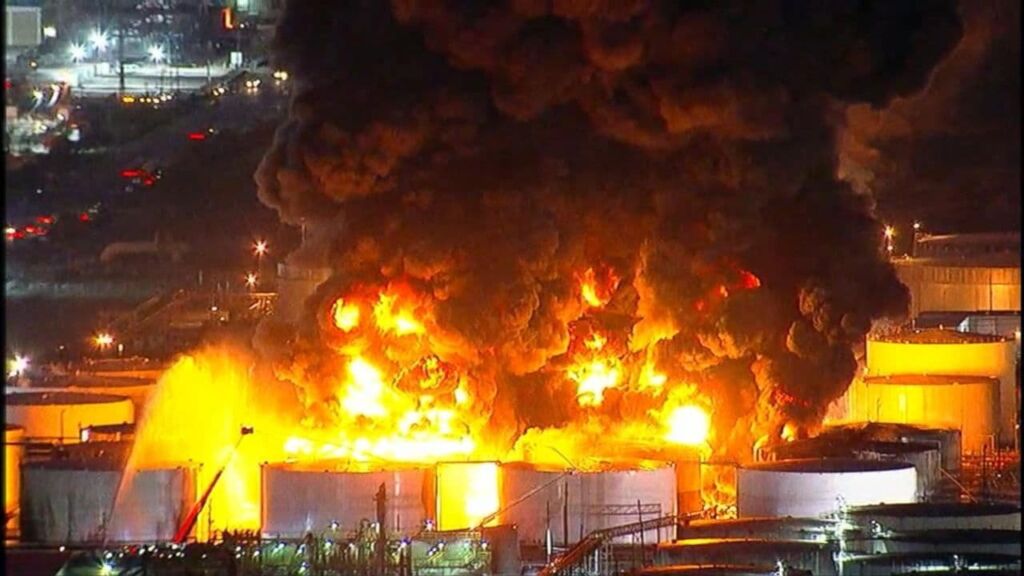
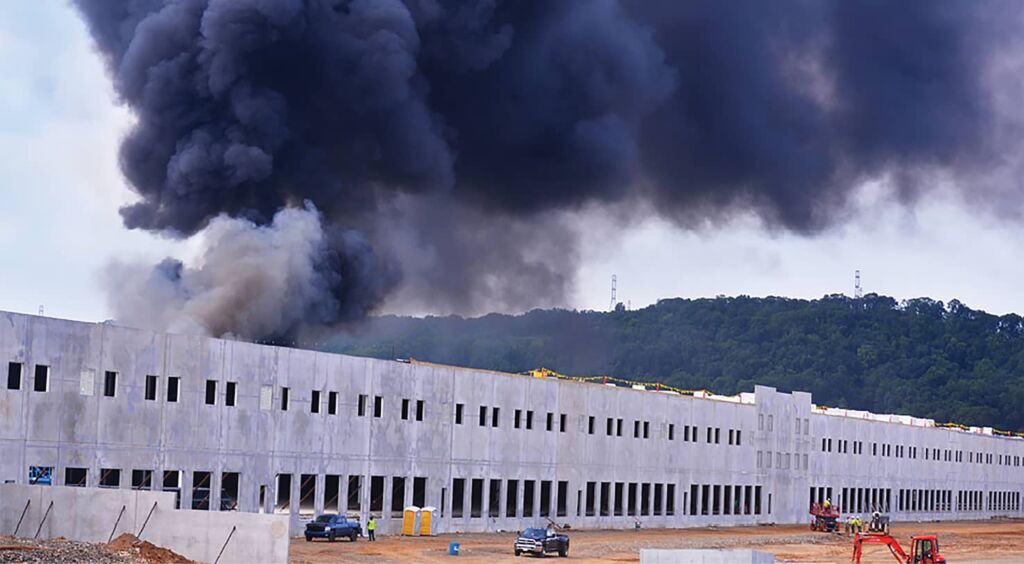
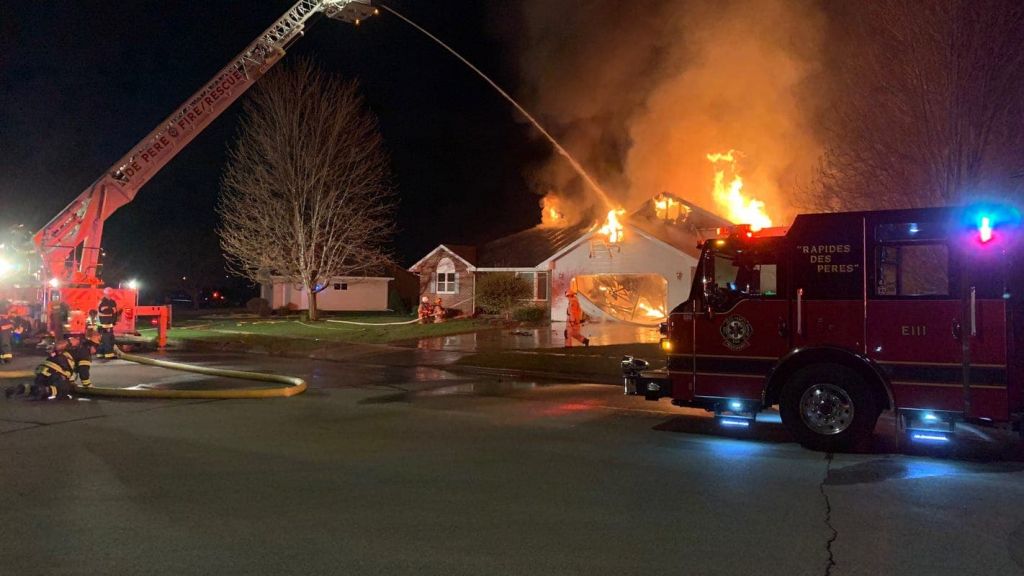
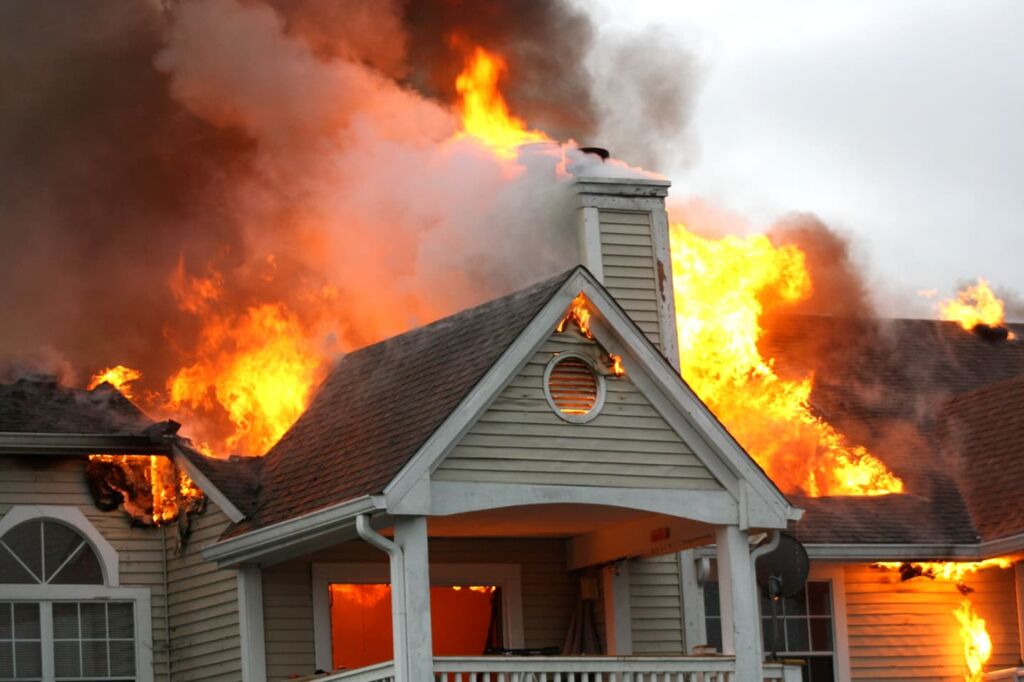
A building under construction is a promise—a future home, business, or community hub. But all too often, that promise turns to ash. Across the United States, construction sites are uniquely vulnerable to catastrophic fires that can erupt with astonishing speed and ferocity. These are not mere accidents but predictable, and therefore preventable, events. They represent a significant national problem, causing immense financial damage, inflicting tragic injuries, and leaving a lasting scar on communities. A thorough understanding of the risks, combined with rigorous adherence to established safety standards, is the only way to safeguard these vulnerable projects from becoming statistics.
The Statistical Reality of a Multi-Million Dollar Problem
The scale of the construction fire problem in the U.S. is staggering. Data compiled by the National Fire Protection Association (NFPA) for the period between 2016 and 2020 provides a stark, five-year snapshot of the recurring losses:
- A Constant Threat: An average of 4,300 fires occurred at construction sites annually. This breaks down to roughly a dozen construction fires igniting somewhere in the country every single day.
- The Human Toll: These fires resulted in an average of 5 civilian deaths and 62 civilian injuries each year. These are not just numbers, but lives irrevocably altered by preventable incidents.
- Staggering Financial Losses: The direct property damage from these fires averaged $376 million per year. This figure, exceeding a million dollars in losses per day, does not even begin to account for the cascading financial impacts of project delays, legal liabilities, and lost economic activity.
These statistics paint a clear picture of a persistent and costly crisis, highlighting that many of these losses could have been eliminated with the proper safeguards in place.
The Tinderbox Environment: Deconstructing Construction Site Vulnerabilities
The leading causes of these fires are often traced back to common on-site equipment, including cooking apparatuses, electrical distribution and lighting systems, and temporary heating units. However, it is the inherent nature of a construction site that turns a small spark from these sources into a full-blown inferno.
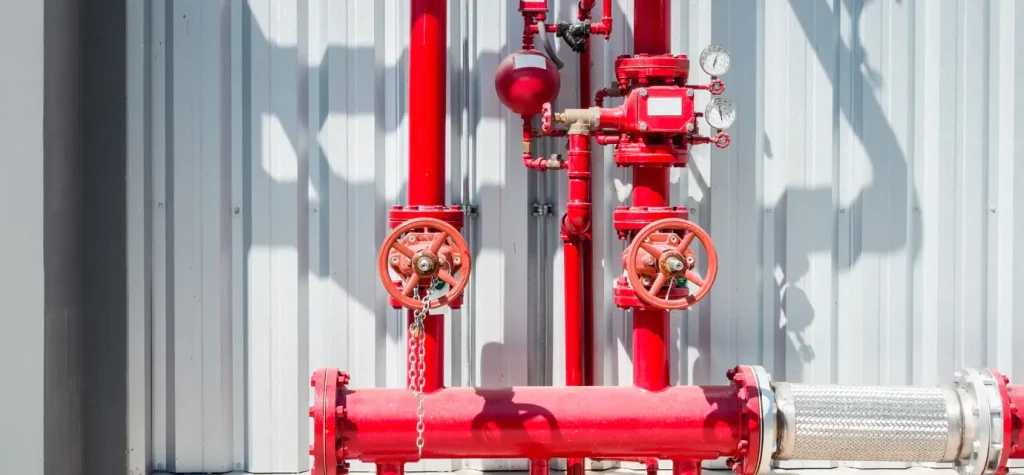
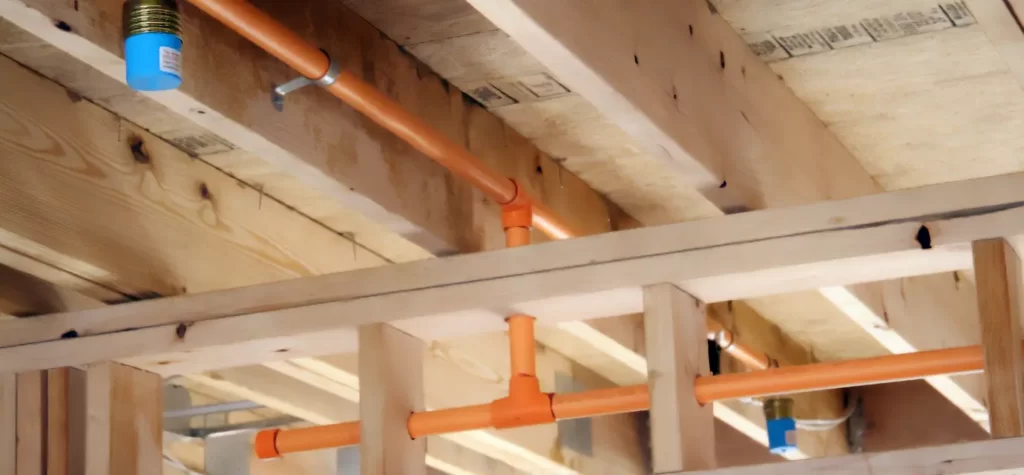
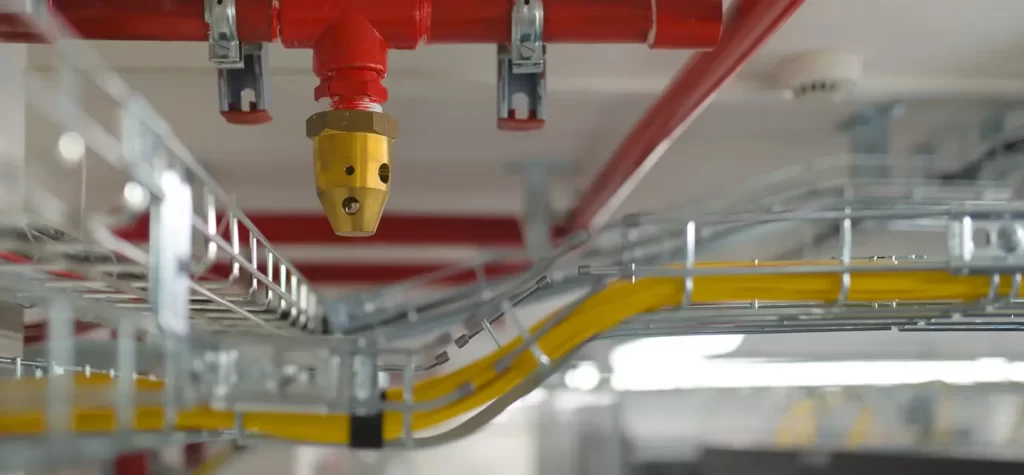
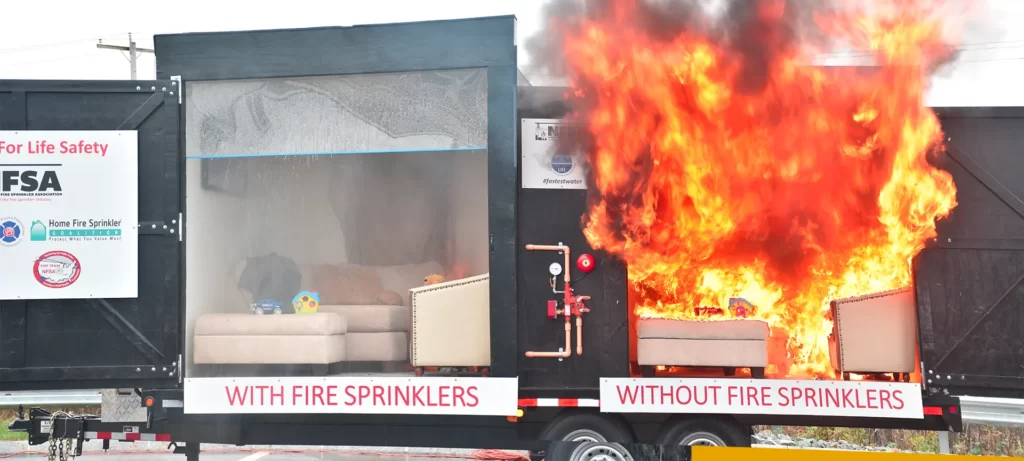
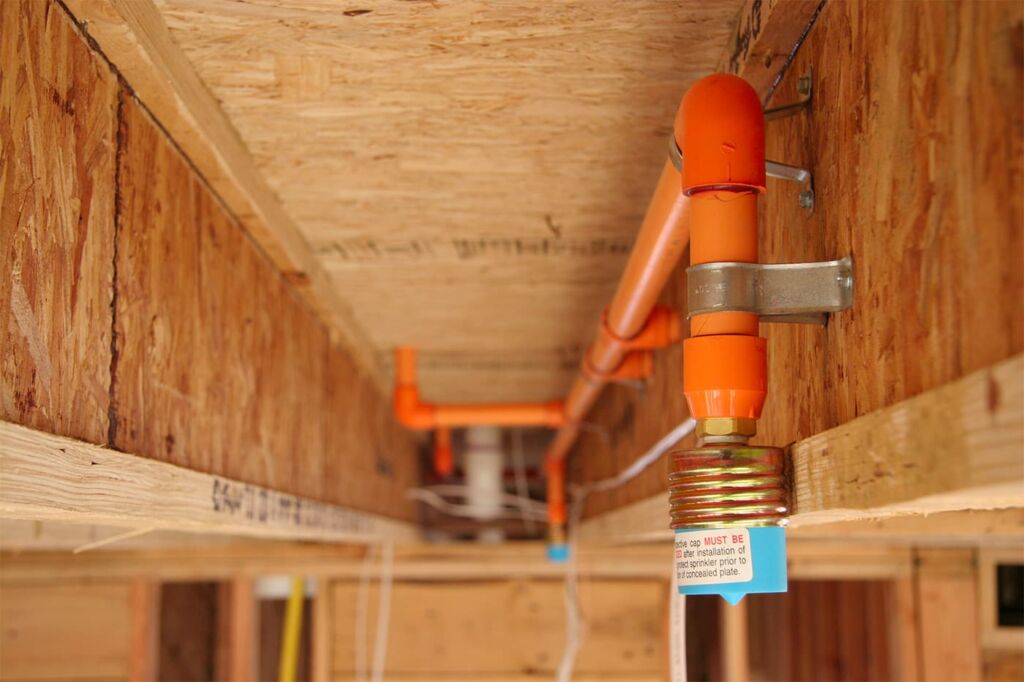
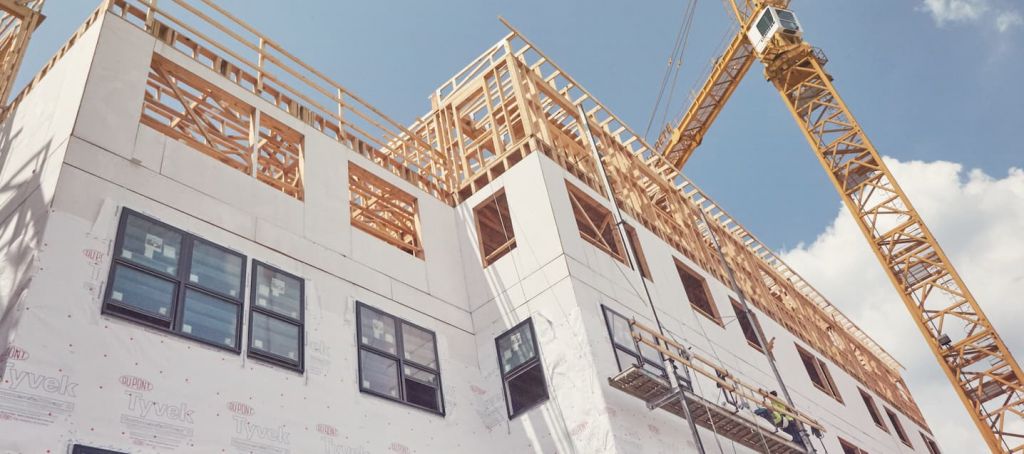
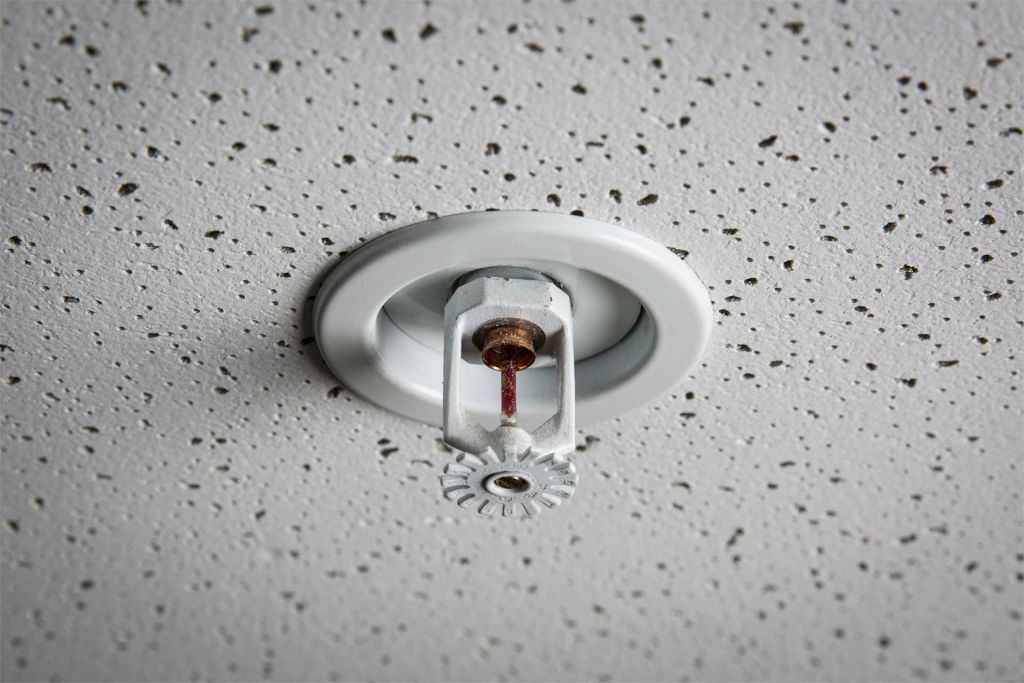
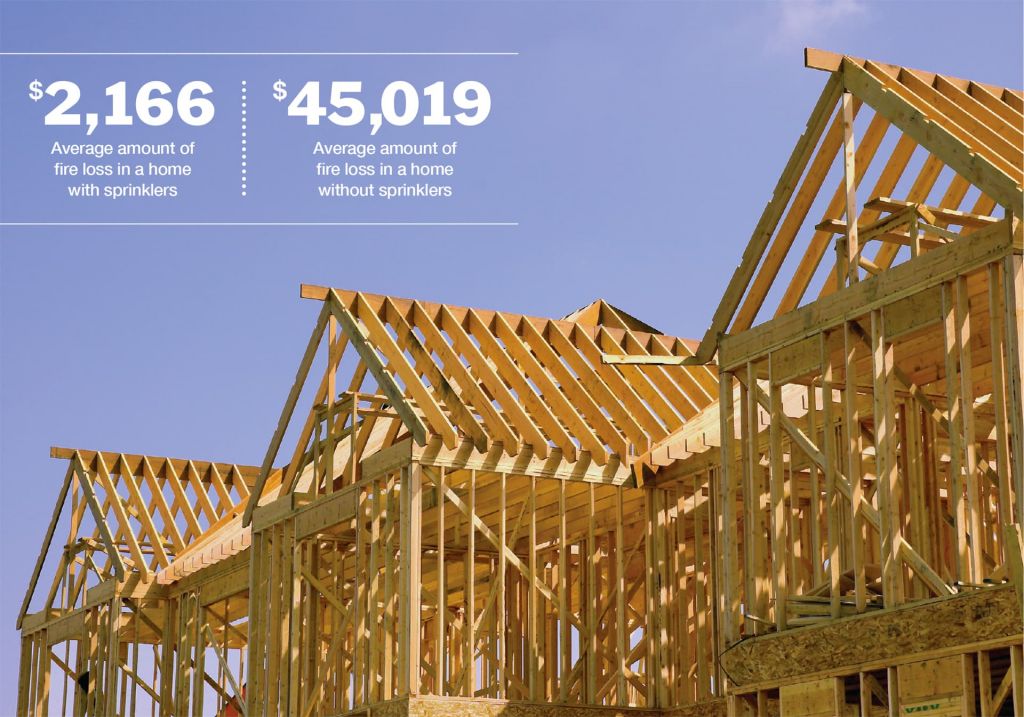
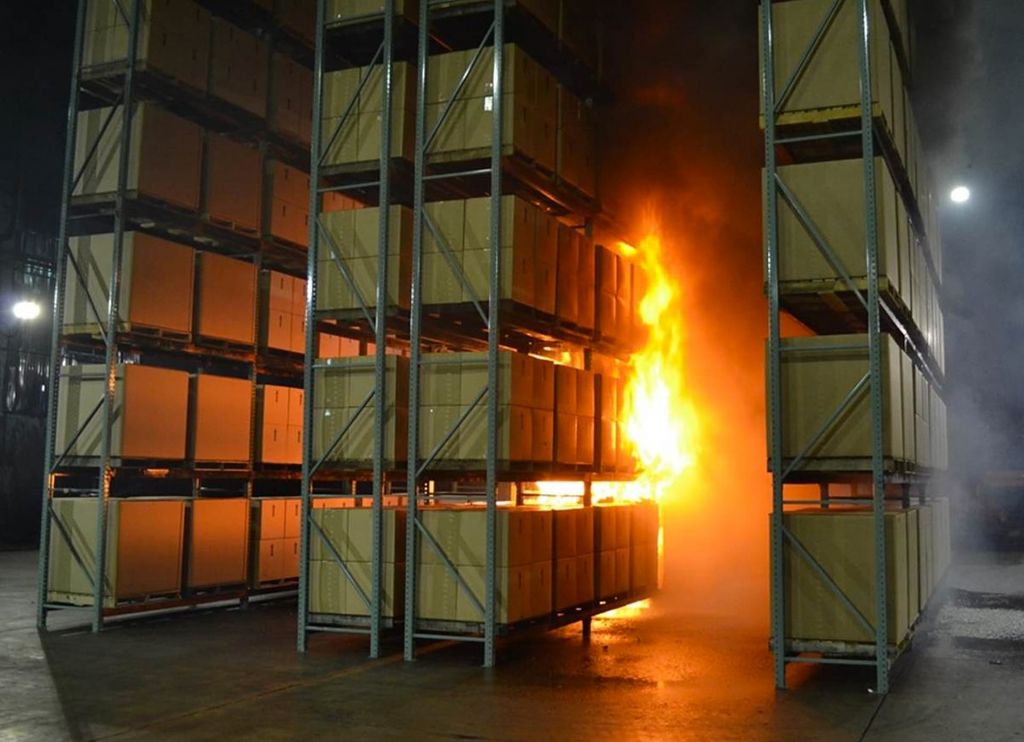
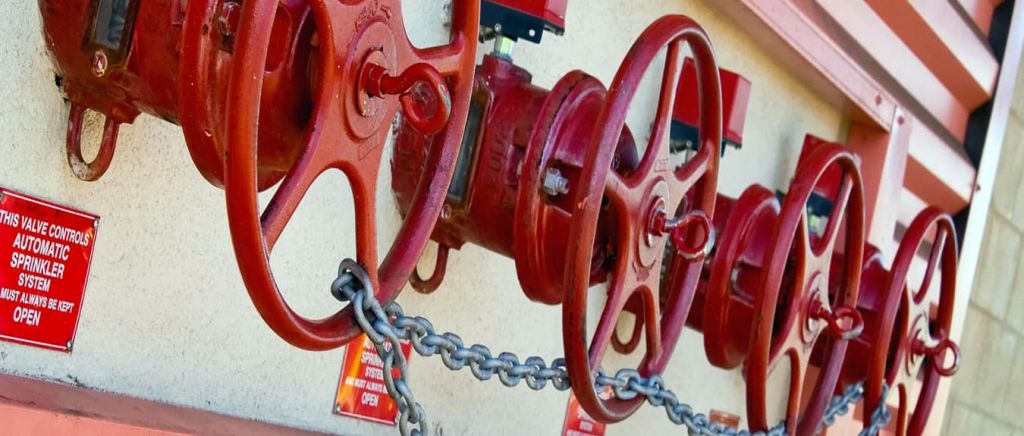
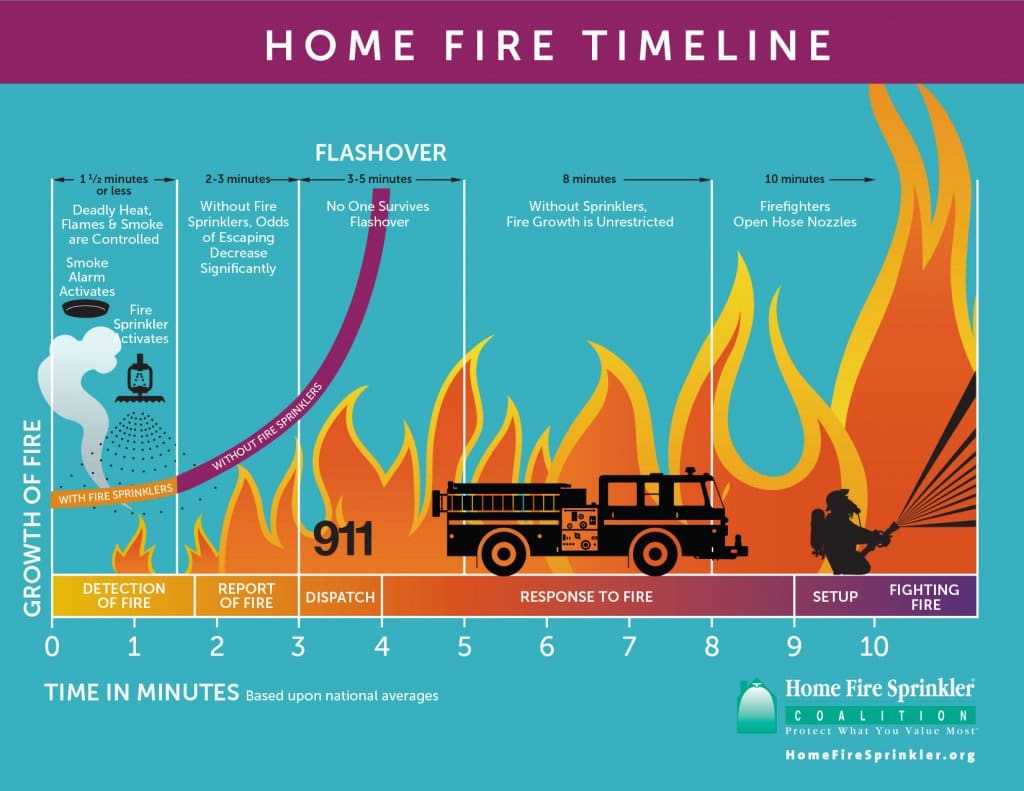
1. Defenseless Structures: The Absence of Active Fire Protection A completed building is equipped with an array of fire defenses. In contrast, a building under construction is fundamentally unprotected. Critical systems like sprinklers, smoke detection, and fire alarms may not yet be installed and operational. This leaves the structure without its primary means of detecting or suppressing a fire in its crucial early stages, allowing a small incident to grow uncontrollably.
2. The Open-Door Threat: Pervasive Site Security Issues Construction sites are often unsecured and easily accessible, particularly after working hours. This makes them highly vulnerable to trespassing, which can lead to vandalism, theft, and, most dangerously, intentionally set fires. Arson is a significant threat, as an intruder can start a fire that may burn for a considerable time before it is discovered and reported.
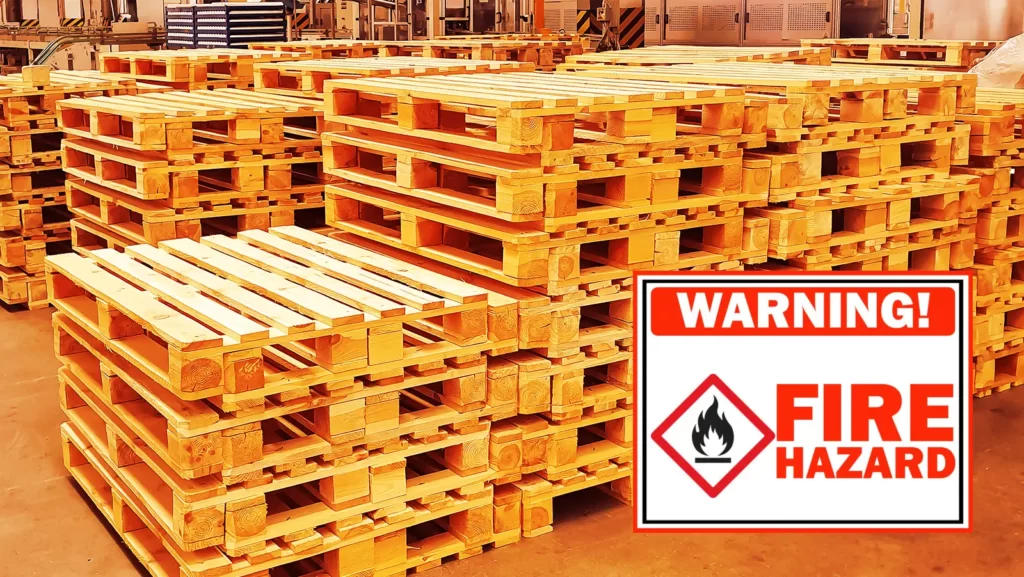
3. The Tools of the Trade: An Abundance of Ignition and Fuel The daily work on a construction site is a catalog of fire risks. “Hot work” activities are a primary concern, including welding, cutting, grinding, soldering, and various kinds of roofing, all of which produce sparks or open flames. This work is often conducted near exposed wood framing, insulation, and other combustible materials. The improper storage or disposal of these materials, combined with human error like a carelessly tossed cigarette, creates a constant risk of ignition.
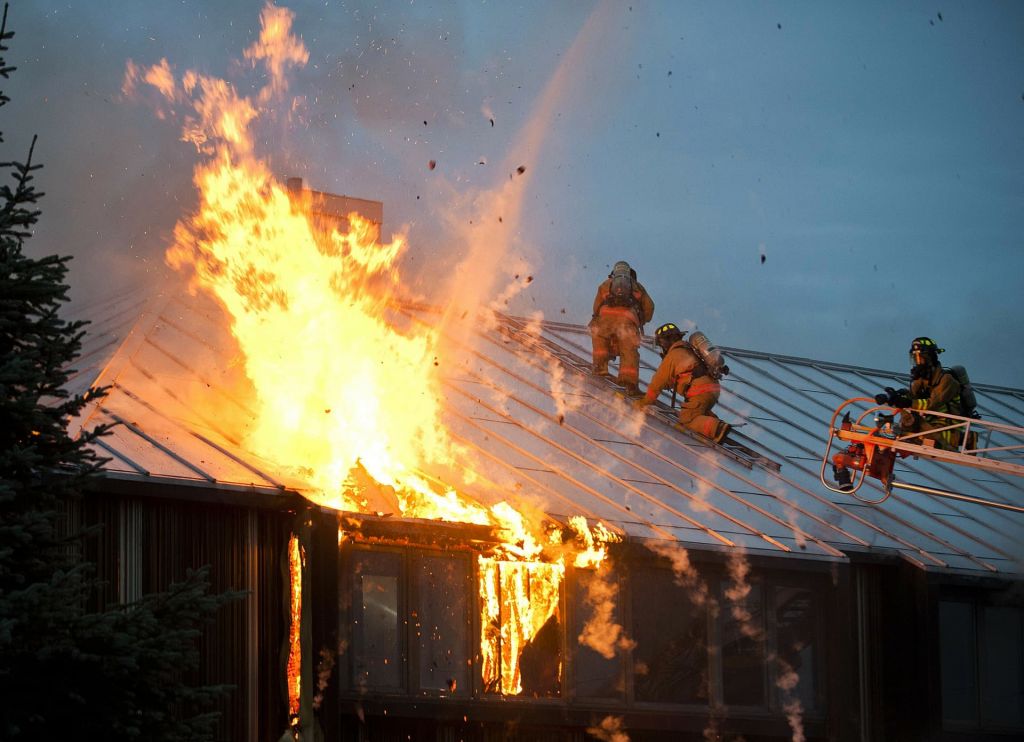
4. The Human Factor: A Culture of Complacency Ultimately, many of these fires are not the result of equipment failure but of human behavior. They often stem from a lack of awareness and a fundamental misunderstanding of the fire risks and their severe consequences. Any lapse in adherence to established safety procedures can jeopardize the entire project, adjacent buildings, and the lives of workers, civilians, and the first responders who must face the blaze.
The Regulatory Backbone: Mandating Safety Through NFPA 241
To combat this multifaceted threat, the NFPA 241, Standard for Safeguarding Construction, Alteration, and Demolition Operations, serves as the authoritative guide. This standard provides comprehensive measures for preventing or minimizing fire damage during every phase of a project. Its adoption is not merely a recommendation; it is a requirement enforced by the nation’s most critical safety codes. Compliance with at least portions of NFPA 241 is mandated by:
- NFPA 1, Fire Code
- NFPA 5000, Building Construction and Safety Code
- The International Building Code (IBC)
- The International Fire Code (IFC)
- The International Residential Code (IRC)
The standard is exhaustive, covering everything from temporary construction and storage to utilities, processes and hazards, and fire protection systems. It provides specific safeguards for operations including construction and alterations, roofing, demolition, and underground operations.
Implementing the Blueprint for Safety: A Multi-Stakeholder Responsibility
A truly safe construction site relies on a chain of accountability, where every stakeholder understands and executes their responsibilities.
- The Building Owner and the Fire Prevention Program Manager (FPPM): Under NFPA 241, the building owner MUST designate a Fire Prevention Program Manager (FPPM). This individual is the lynchpin of the entire safety program, responsible for ensuring that all safety measures are implemented and followed by every person on site.
- Code Officials: They are the enforcers of the standard. A code official MUST know and enforce the requirements of NFPA 241 for all buildings under construction, alteration, or demolition in their jurisdiction.
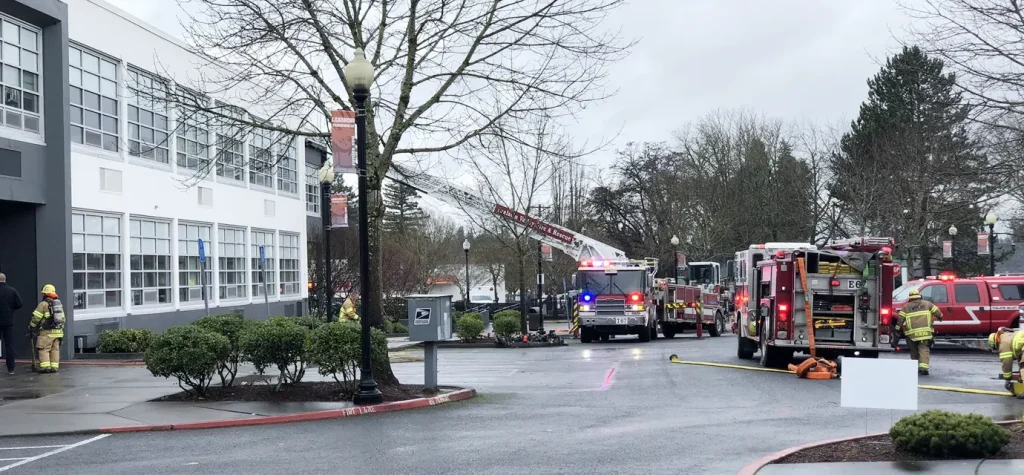
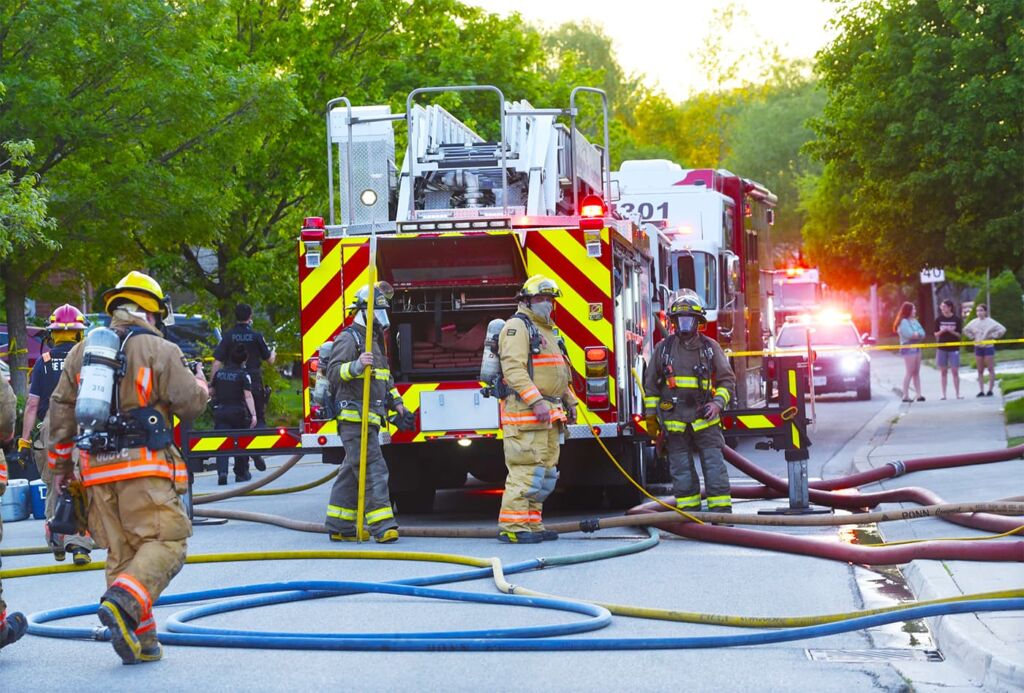
- Fire Chiefs and First Responders: Proactive engagement is key. The fire chief should ensure their department is involved in prefire planning for construction projects. This familiarizes them with the site’s layout and potential hazards, enabling a faster and safer response in an emergency.
- Contractors and On-Site Workers: Every contractor and worker MUST follow NFPA 241 and the direction of the FPPM. Safety is an active, daily responsibility that extends from the project manager to the newest apprentice on site.
Critically, these safeguards must be in place around the clock, not just during working hours, and must be followed regardless of the building materials being used.
The Hidden Costs: Beyond the Flames
The consequences of a construction fire extend far beyond the direct dollar loss. Failure to comply with NFPA 241, even if it doesn’t result in a major fire, can lead to work stoppages, significant project delays, and costly fines. Beyond the immediate site, a major fire has far-reaching, long-term economic and other community impacts, disrupting lives and businesses far beyond the property line.
In conclusion, while the statistics are grim, they carry a message of hope: construction site fires are almost always preventable. Through a dedicated commitment to the proven standards of NFPA 241 and a culture of shared responsibility, we can protect our investments, our workers, and our communities. It’s a big world, and it is our collective duty to protect it together.

Fire Sprinkler Installation & Management
Fire Protection Contractors License #C16-1045293
For more information please visit:

















































































PEOPLE We Protect

































Our Distributors and Suppliers










Experience
Our team started in the fire protection industry over 20 years ago. Since then we have grown into a statewide fire protection construction leader. Our team of project managers, engineers, designers, inspectors, installers, and technicians all share a passion for quality work and high standards. Precision Fire Protection understands the need to complete projects with integrity, safety, and precision!
Dedication
Our mission is to provide our customers with timely, high quality, affordable fire protection services that are guaranteed. We strive to achieve our client’s complete satisfaction. We are relentless in applying the highest ethical standards to ourselves and to our services and in communications with our customers. We aim to fulfill that mission in everything we do.
Precision
Precision Fire Protection keeps its team together, even when it's not. Just as vital as field personnel’s tools are, our project managers are equipped with the latest software to manage projects. Our project managers send dailies, RFIs, and plan revisions to the cloud so that everyone has access no matter where they are. Being connected is our way of ensuring every project goes smoothly.
Safety
Our team of multi-certified managers and supervisors are highly experienced in job safety. Our managers are OSHA certified to handle each project with care and sensitivity to every unique job site. By ensuring on-site safety on every project we work on throughout Southern California, Precision Fire Protection has developed positive relationships with our General Contractors.
