 Ventura, CA Headquarters

Precision Fire Protection News
Unique Fire Protection Challenges Found in Warehouse and Distribution Centers

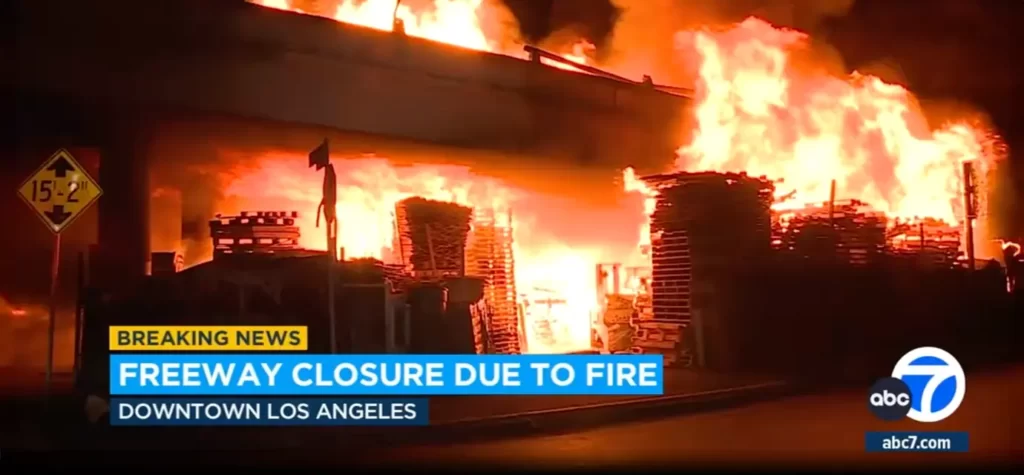
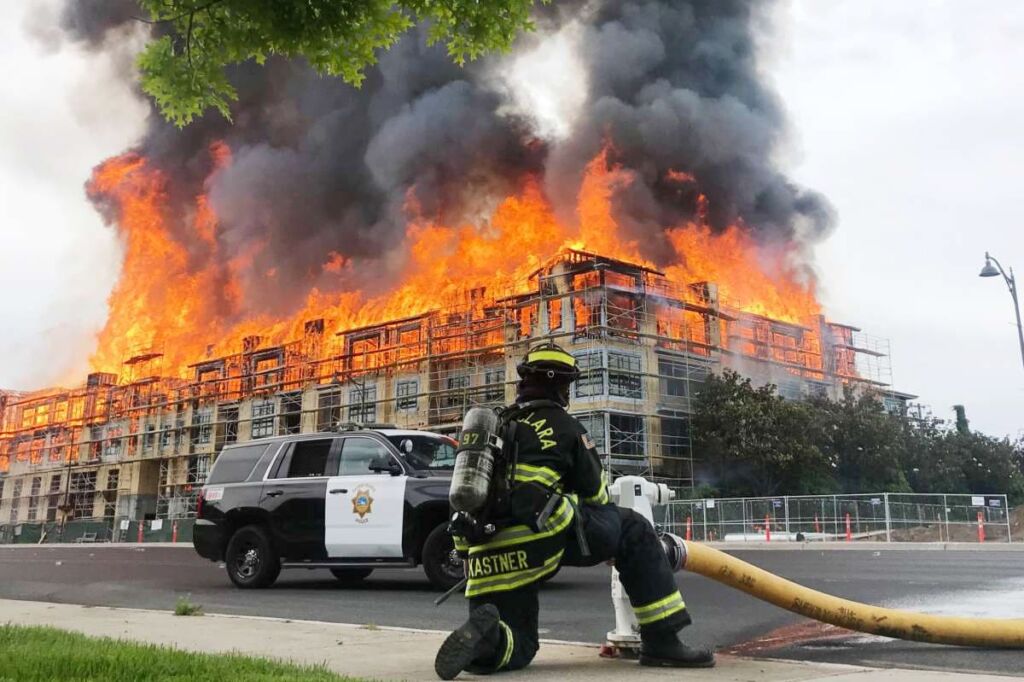
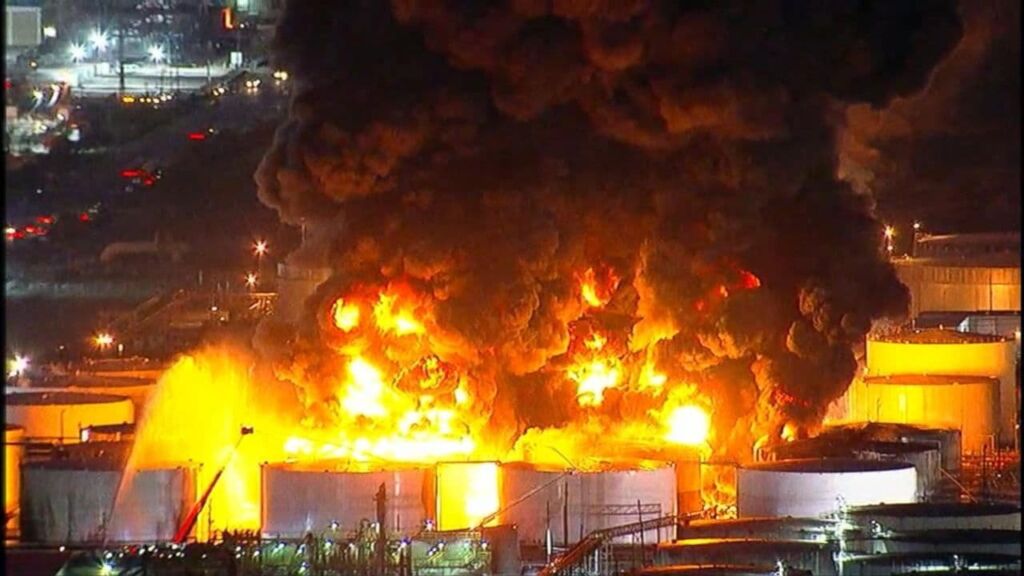
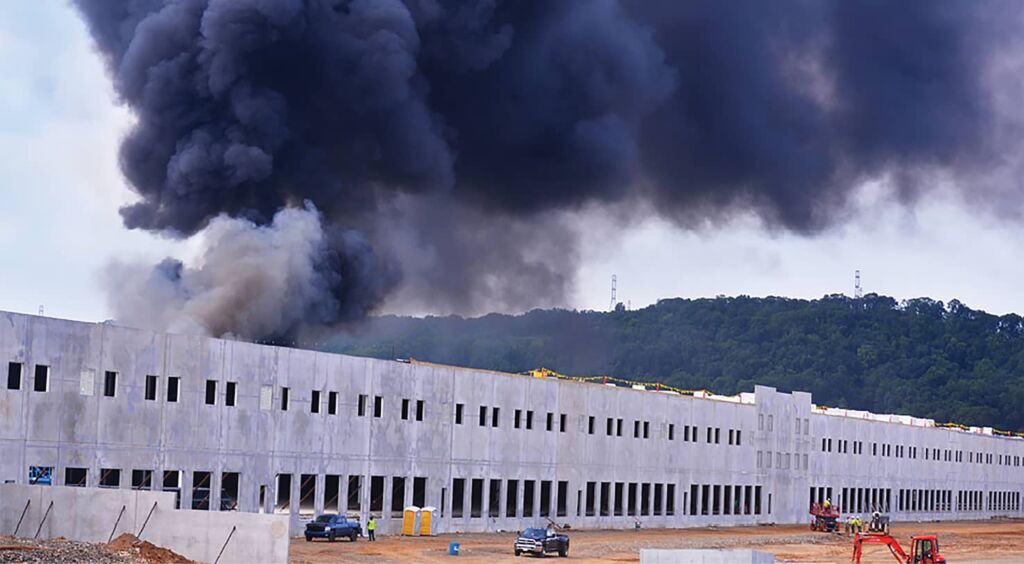
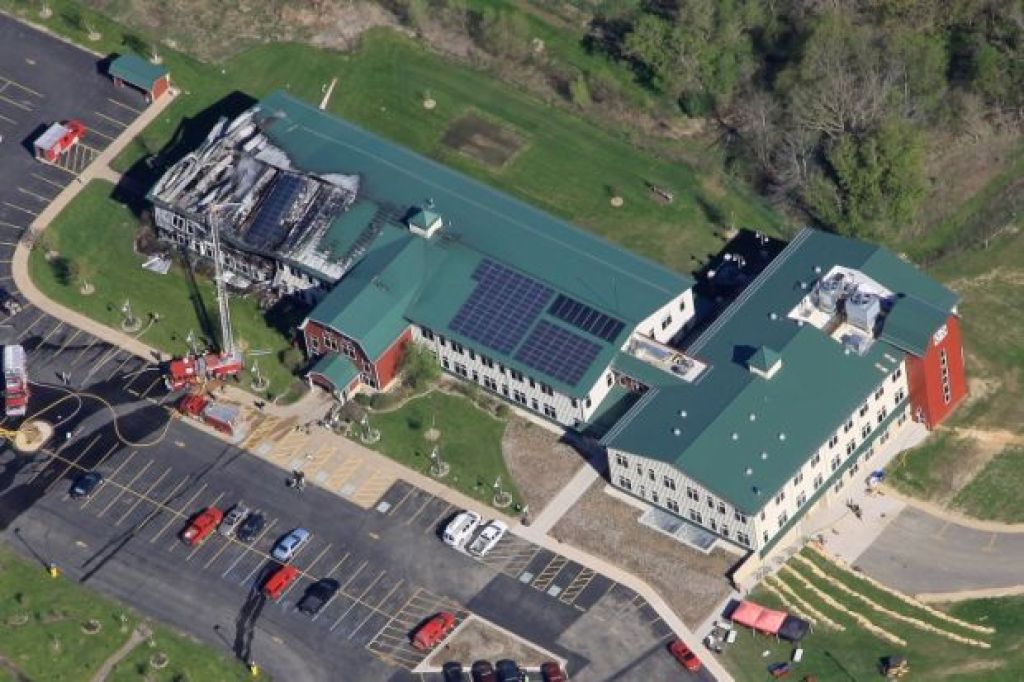
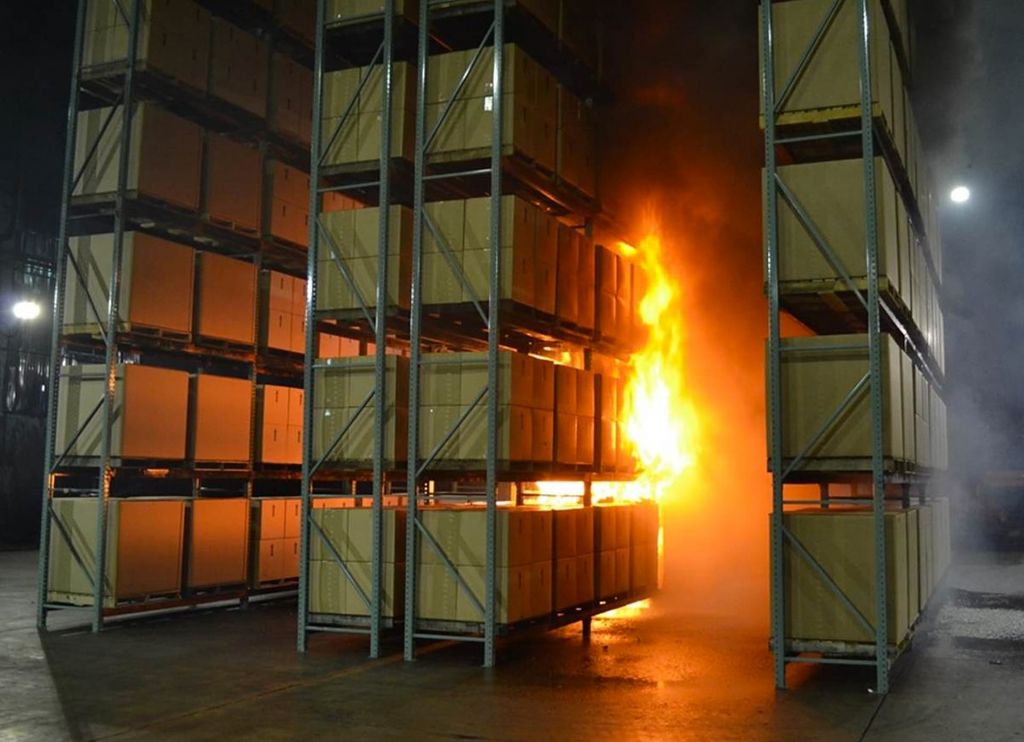
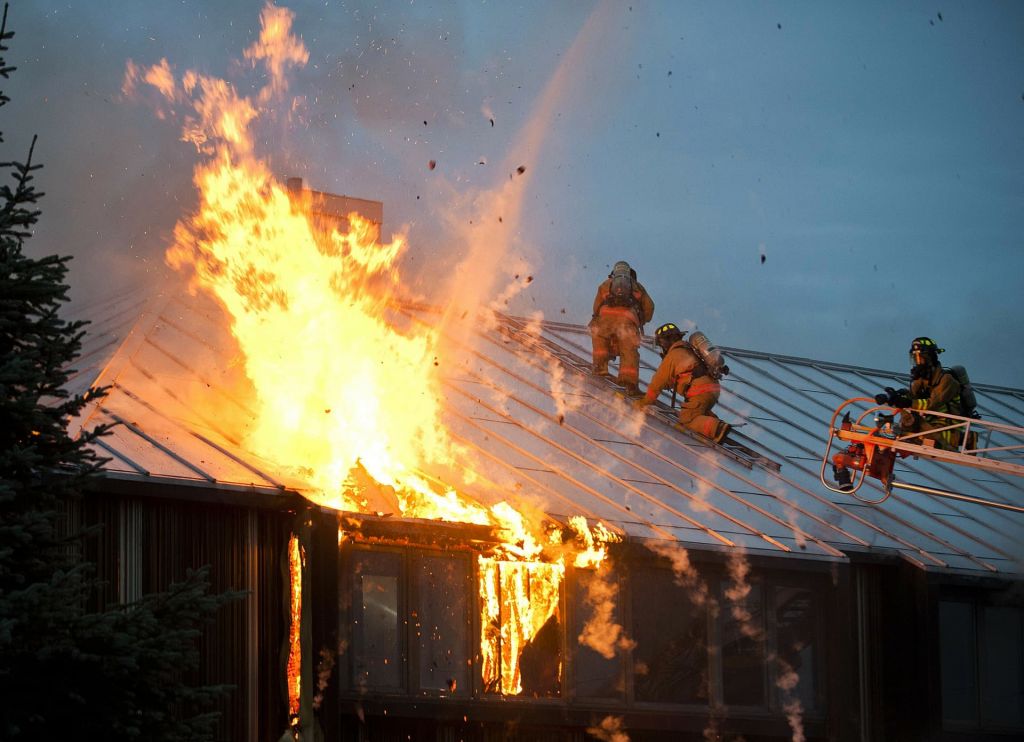
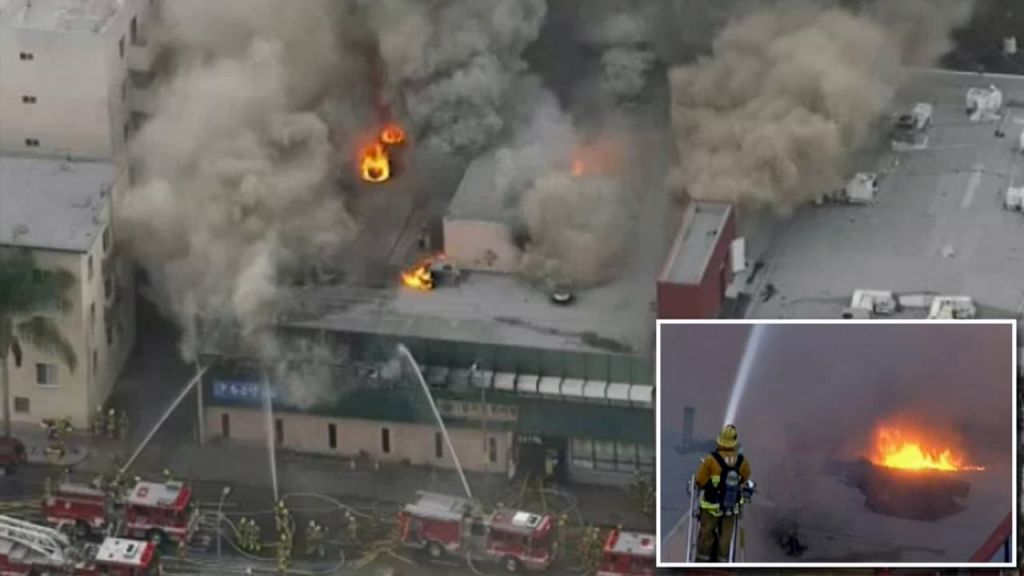
NFPA® research shows that, on average, more than four warehouse fires occur each day in the United States, with U.S. fire departments responding to an annual average of 1,508 fires in warehouses between 2018 and 2022. These fires caused an estimated annual average of three civilian deaths, 19 civilian injuries, and $323 million in direct property damage.
RELATED: Read the February 2025 “Warehouse Structure Fires Report” from NFPA
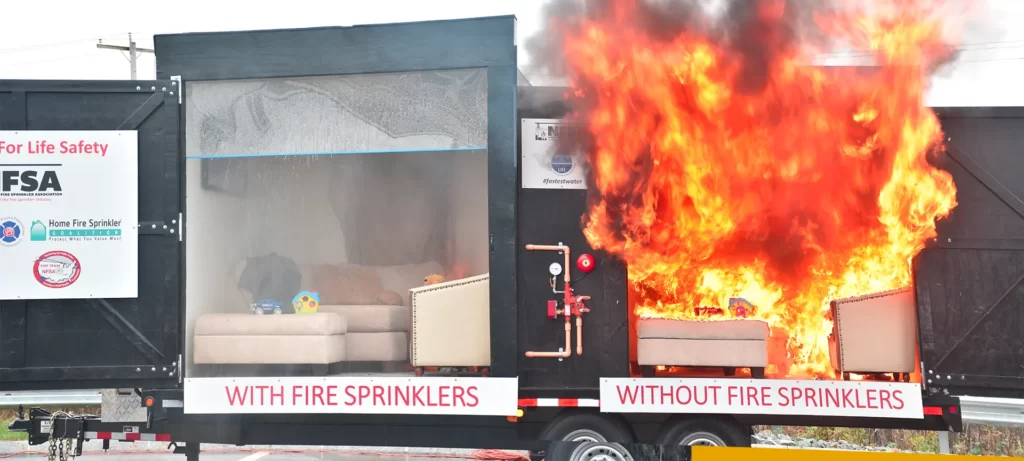
To avoid becoming part of these statistics, it is essential that fire protection systems in warehouses are correctly designed, installed, inspected, maintained, and tested. This blog will examine a handful of unique fire protection challenges and solutions commonly found in warehouses and other distribution centers.
Commodity classifications for products and packaging
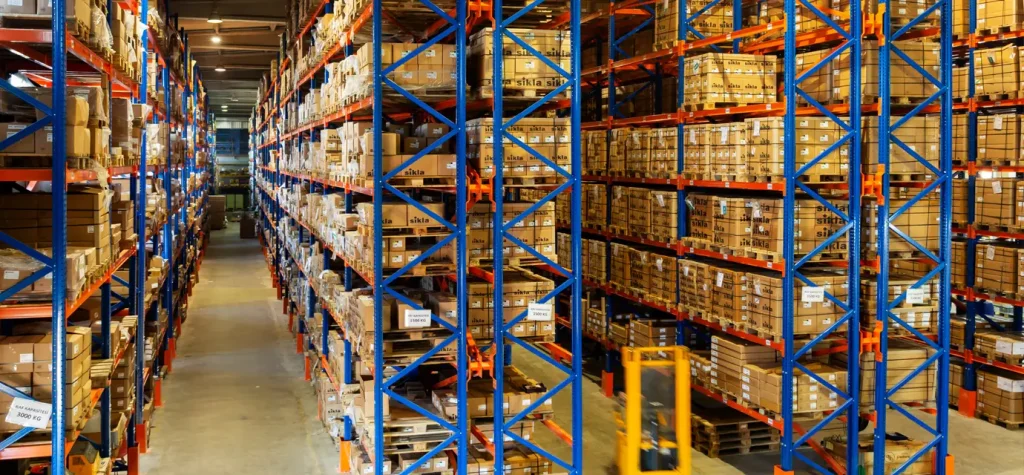
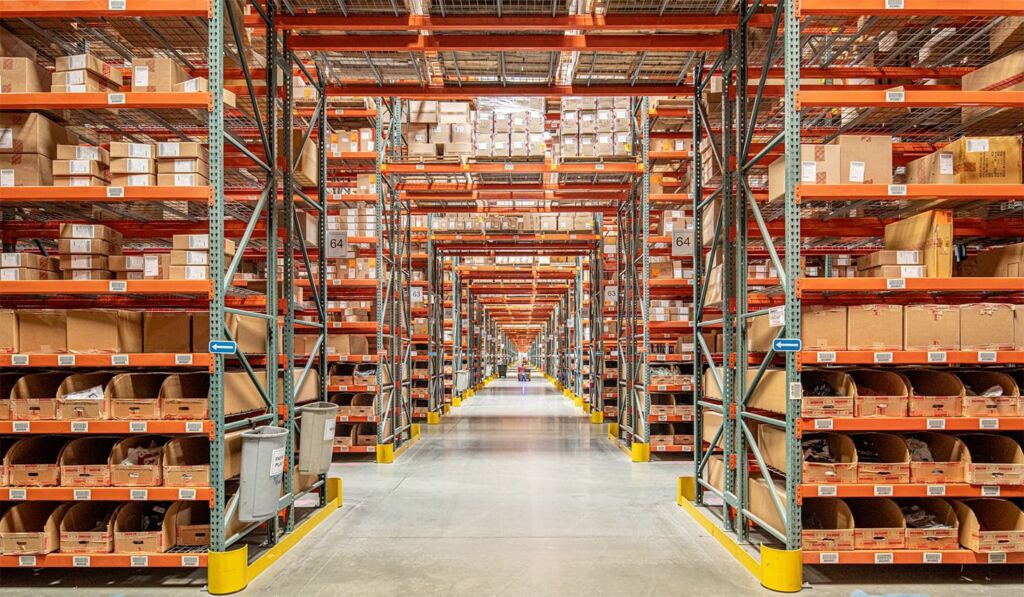
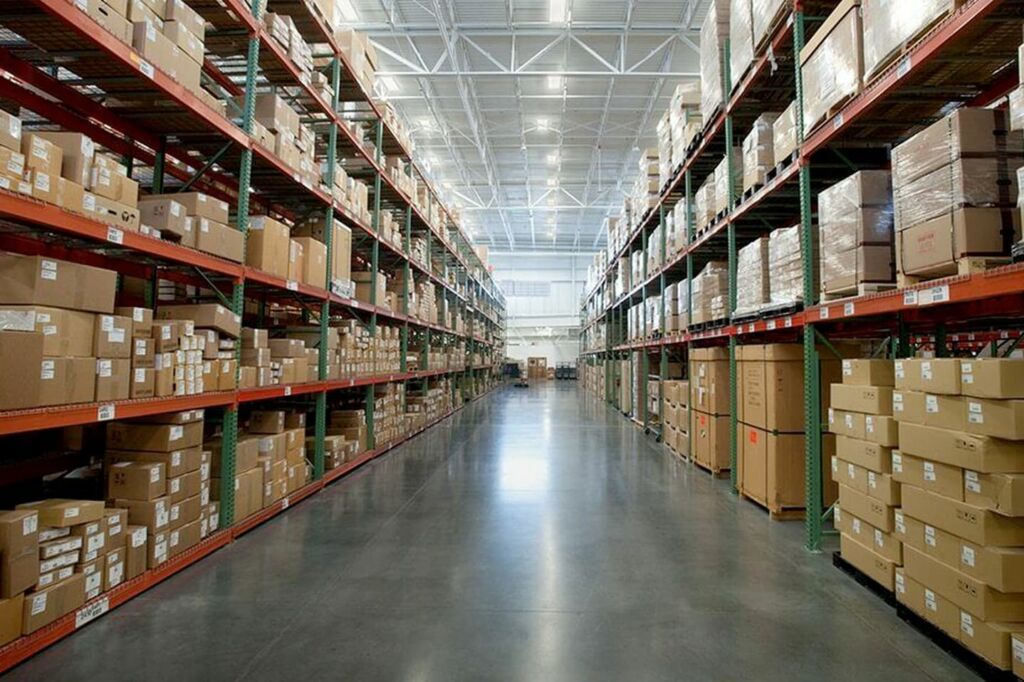
The most obvious unique characteristic of a warehouse is that the purpose of the building is to store a large number of goods and products. This can increase the fire load by a significant amount. This is why it is essential, when designing an automatic sprinkler system for a warehouse, that the items being stored are assigned the proper commodity classification.
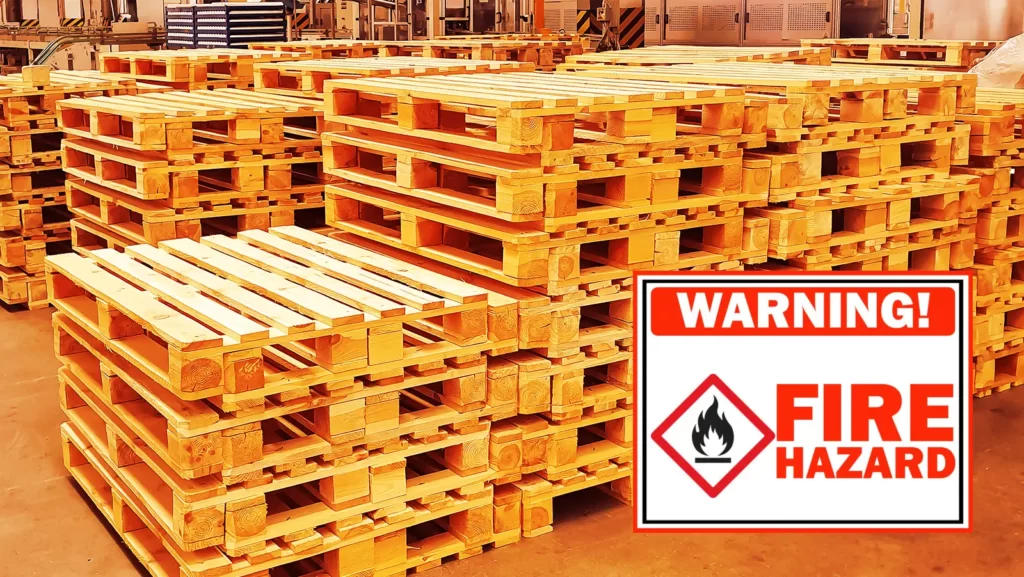
When determining the commodity classification, it is important to consider not only the product itself but also the packing material as well as the container and pallet. The different commodity classifications, as outlined in NFPA 13, Standard for the Installation of Sprinkler Systems, are as follows:
Class I: A noncombustible product that is either stored in single-layer cardboard boxes or shrink wrapped or paper wrapped. The product can be stored with or without wooden pallets.
Class II: A noncombustible product stored in either wooden crates or multiple-layered cardboard boxes. The product can be stored with or without wooden pallets.
Class III: A product made from wood, paper, natural fibers, or Group C plastics. This can be stored with or without wooden crates and pallets.
Class IV: A product that can be made from a mixture of Group B plastics with wood, paper, natural fibers, or Class C plastics. The product is allowed to be made from a small percentage of Group A Plastics.
Group C Plastics: Certain plastics such as PVC. This is treated the same as a Class III commodity.
Group B Plastics: Certain plastic rubbers such as silicone. This is treated the same as a Class IV commodity.
Group A Plastics: The most flammable plastics and natural rubbers. This group is further subdivided into expanded or nonexpanded plastics. This is treated differently from all other commodity classifications.
In-rack sprinklers: A unique aspect of warehouse fire protection
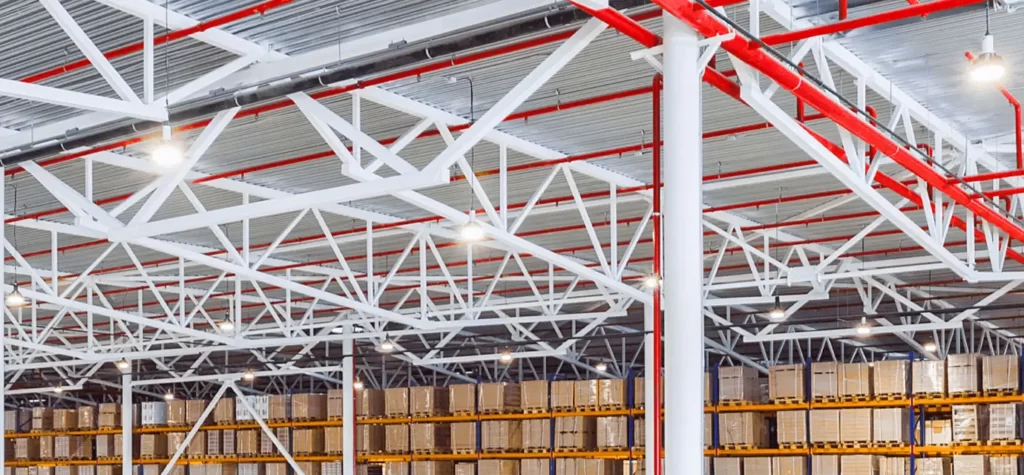
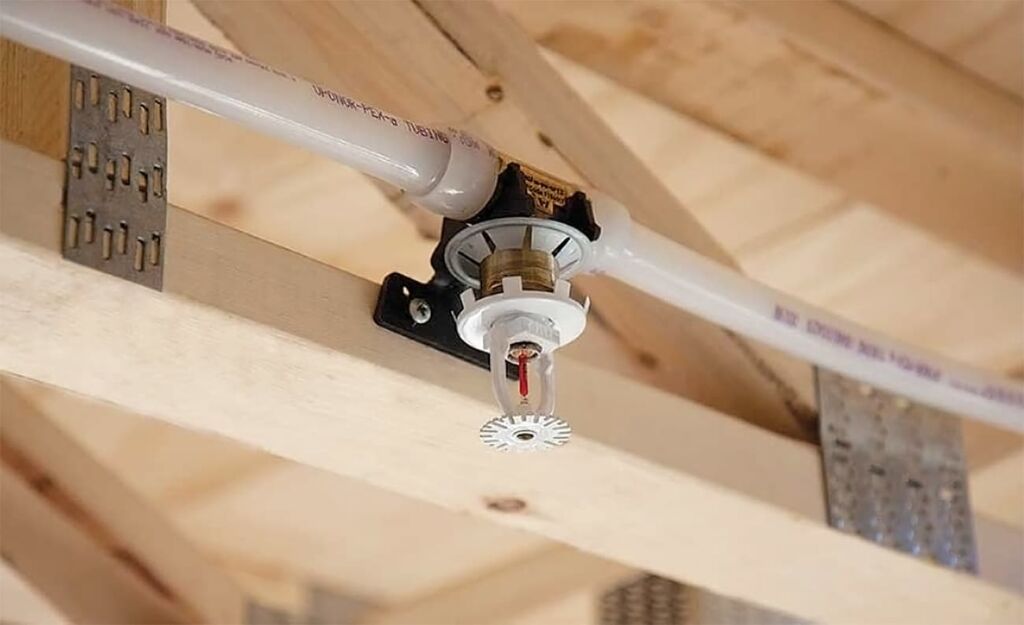
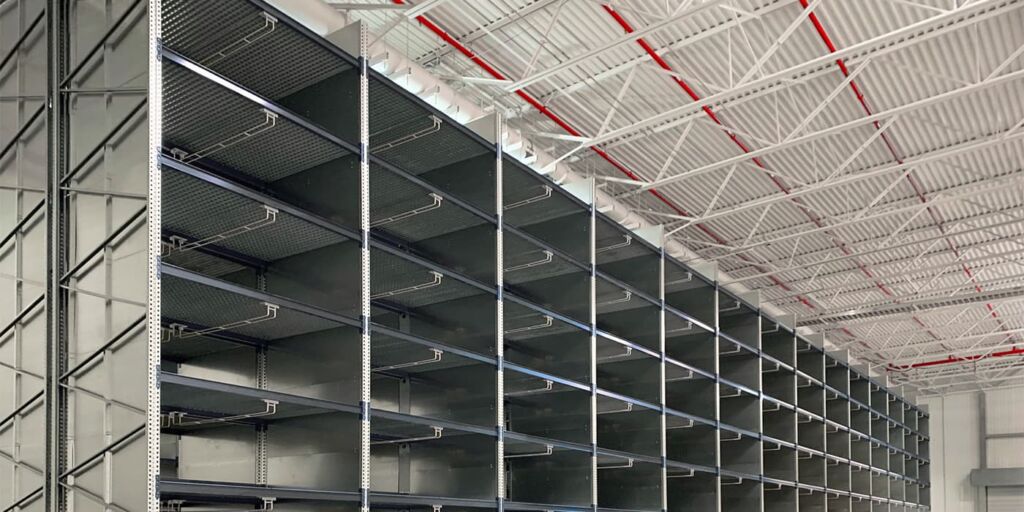
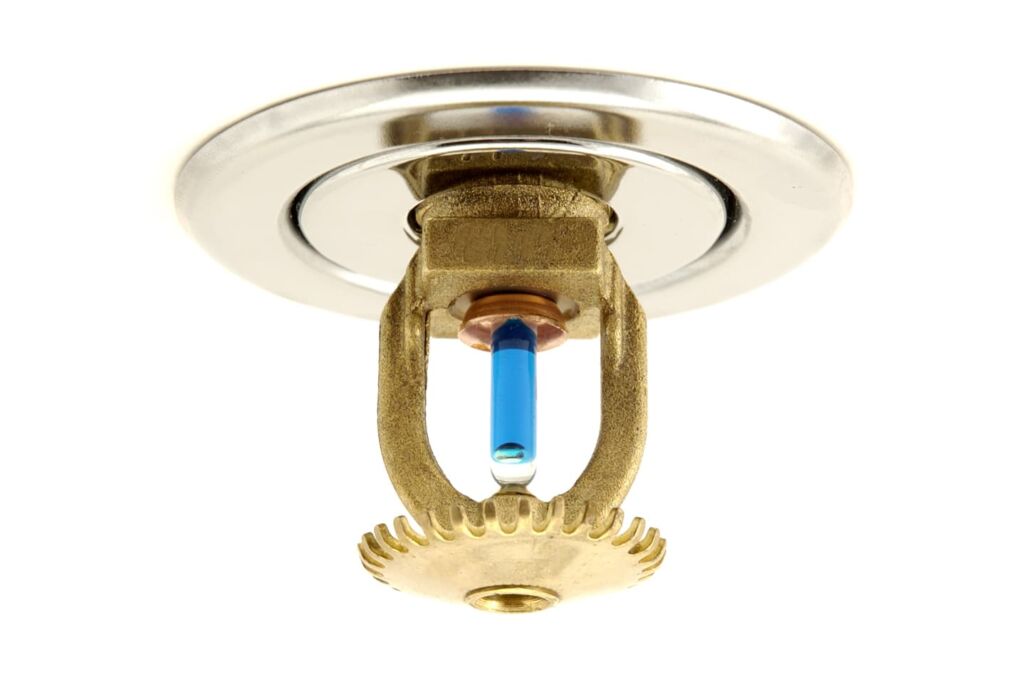
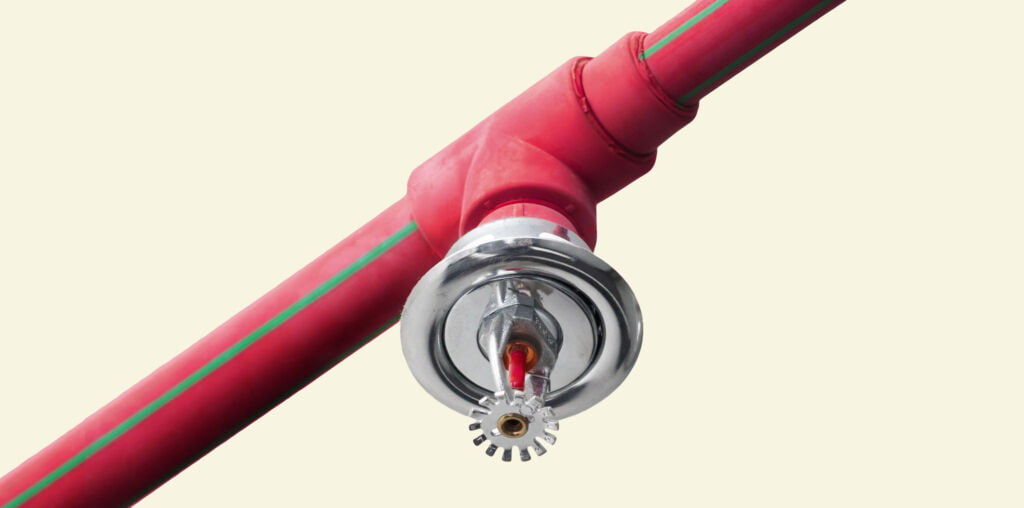
Warehouses are the only location where you will find sprinklers both at the ceiling level as well as in racks closer to ground level. This is a unique way to get water in the racks and applied to a fire before it is able to grow beyond the capabilities of the sprinkler system.
Some higher-hazard commodities will require in-rack sprinklers, while other commodities might have the option to include in-rack sprinklers while decreasing the required robustness of the ceiling sprinklers.
Prewetting is not always effective in warehouses
Most sprinkler systems rely on the concept of prewetting as a critical component in controlling a developing fire. Prewetting is when the sprinkler system activates and wets the fuel in front of the fires path, slowing down the fire growth.
The issue with warehouses is that they can contain encapsulated products, which are impervious to prewetting—think of something that is wrapped in plastic on all sides, for example. Due to this challenge, the sprinkler system in warehouses might have to be designed to be robust enough to be able to control a fire without prewetting.
Obstructions can render ESFR sprinklers ineffective
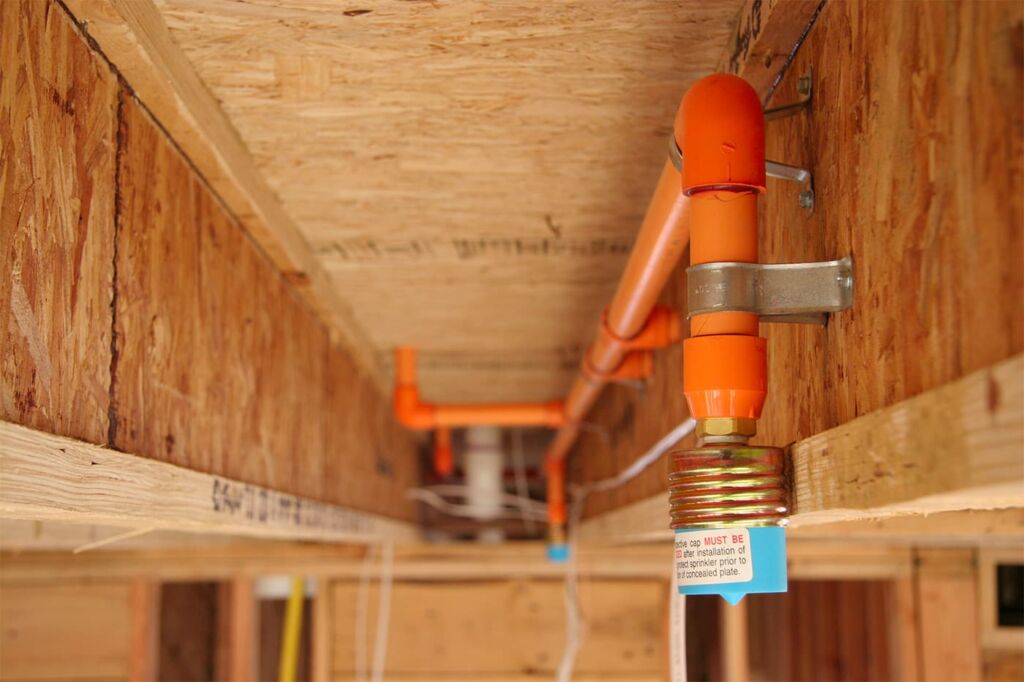
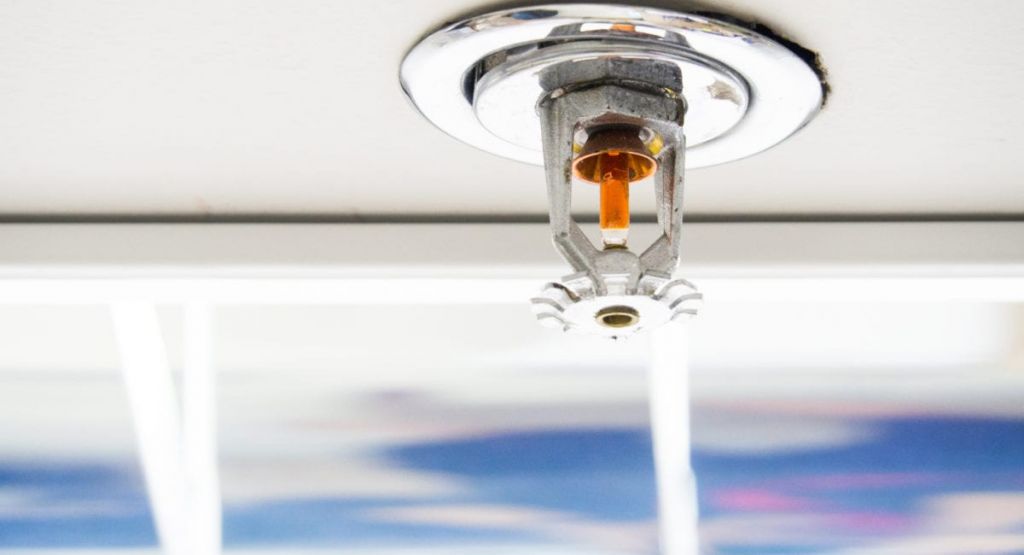
There is the potential for early suppression fast response (ESFR) sprinklers to be used in warehouses. ESFR sprinklers rely on getting water to the fire quickly; this means both activating earlier than normal sprinklers and discharging water at a higher velocity.
Because of this unique design feature, it makes it even more important to ensure that these sprinklers are clear of obstructions. If water is prevented from reaching the fire during the early stages of fire growth, the sprinkler system could be ineffective.
Change management in warehouses
Warehouses are likely to have items with varying commodity classifications being stored. Sprinkler design can account for this by either designing to the highest-hazard commodity or by creating separate zones for higher- and lower-hazard commodities. Either way, when warehouses change what they are storing, it is essential that the new products do not exceed the hazard level that the sprinklers were initially designed for.
Flammable liquids and gasses
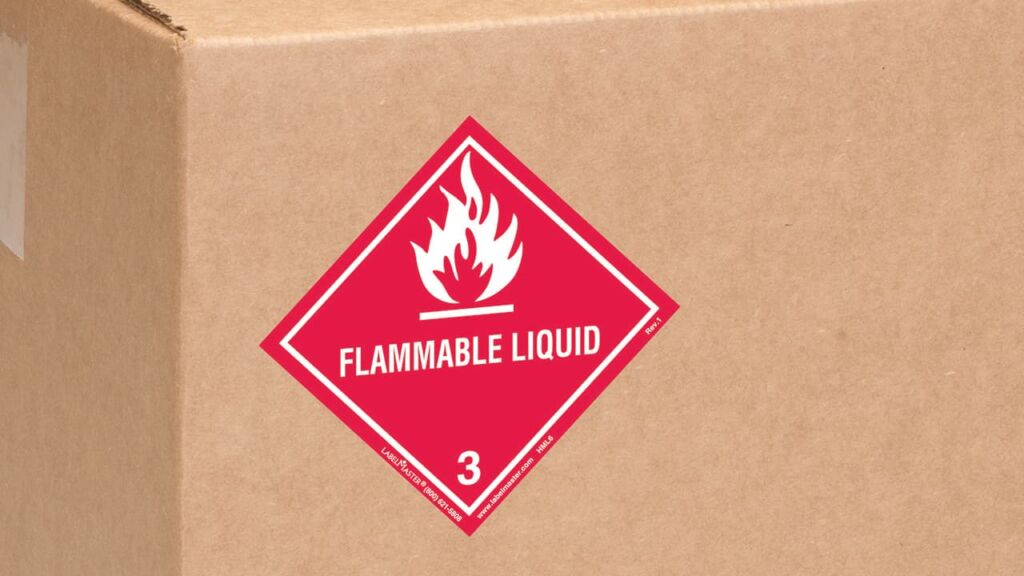
Another unique fire protection challenge for warehouses is that there might be large quantities of hazardous materials such as flammable liquids and gasses. These types of materials typically fall outside of the scope of NFPA 13 and into the scope of other NFPA codes and standards, such as NFPA 400, Hazardous Materials Code; NFPA 30, Flammable and Combustible Liquids Code; NFPA 55, Compressed Gases and Cryogenic Fluids Code; NFPA 52, Vehicular Natural Gas Fuel Systems Code; or NFPA 58, Liquified Petroleum Gas Code.
These codes contain requirements on the specific containers, building construction, and/or sprinkler design required for the storage of these more hazardous materials.
The importance of ITM
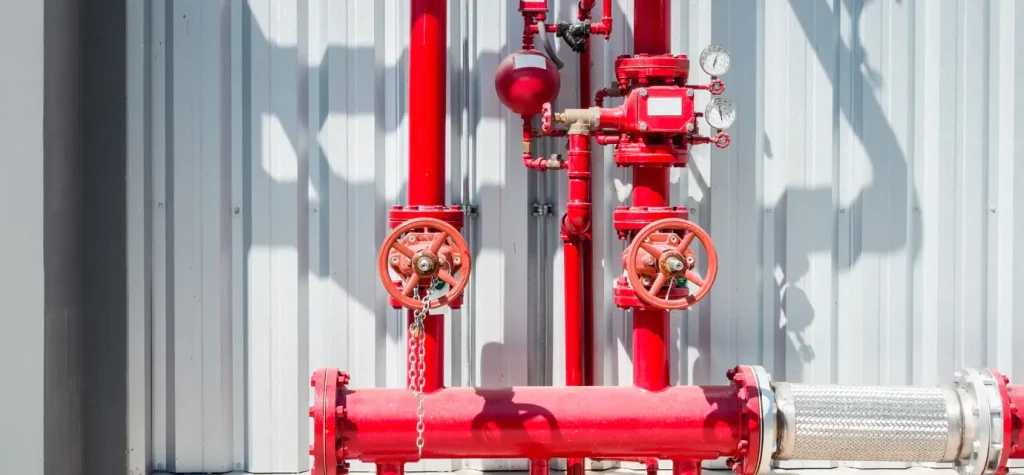
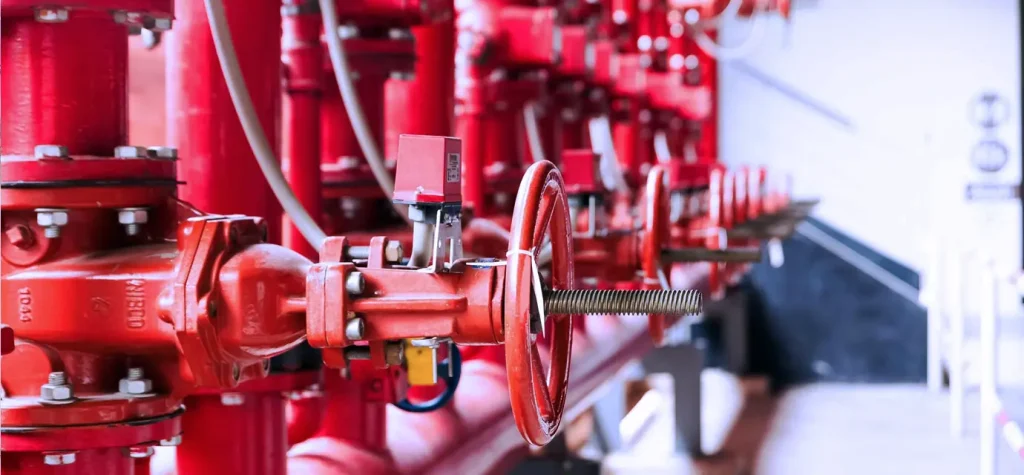
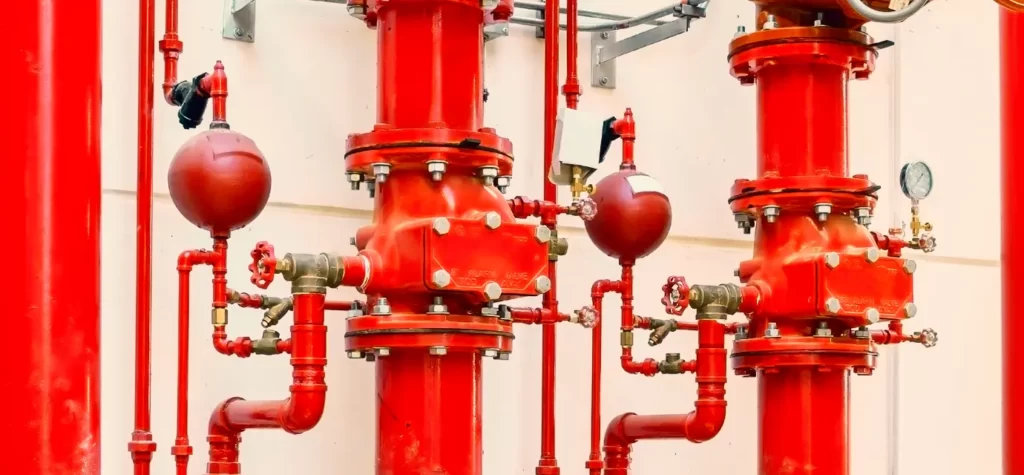
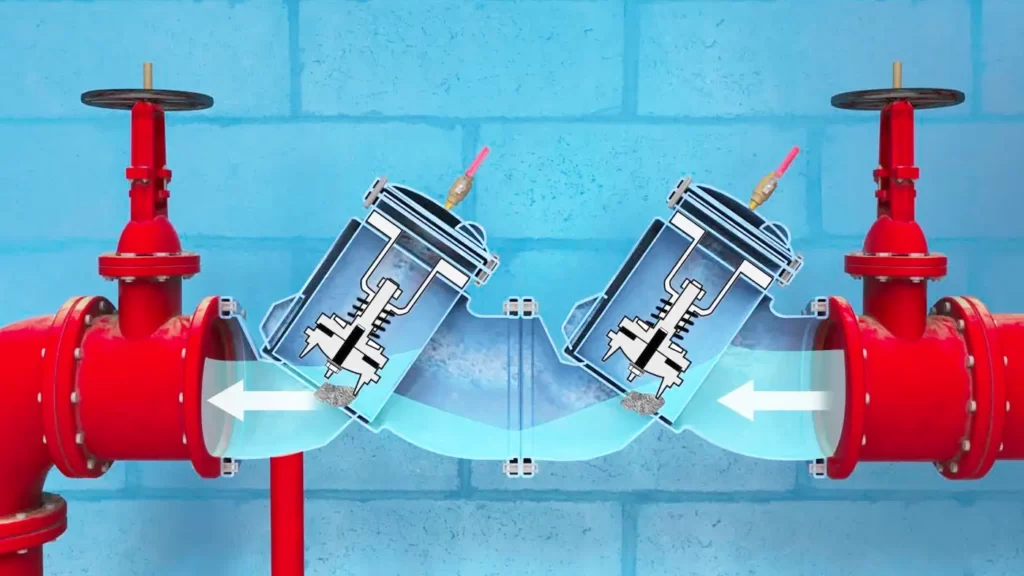
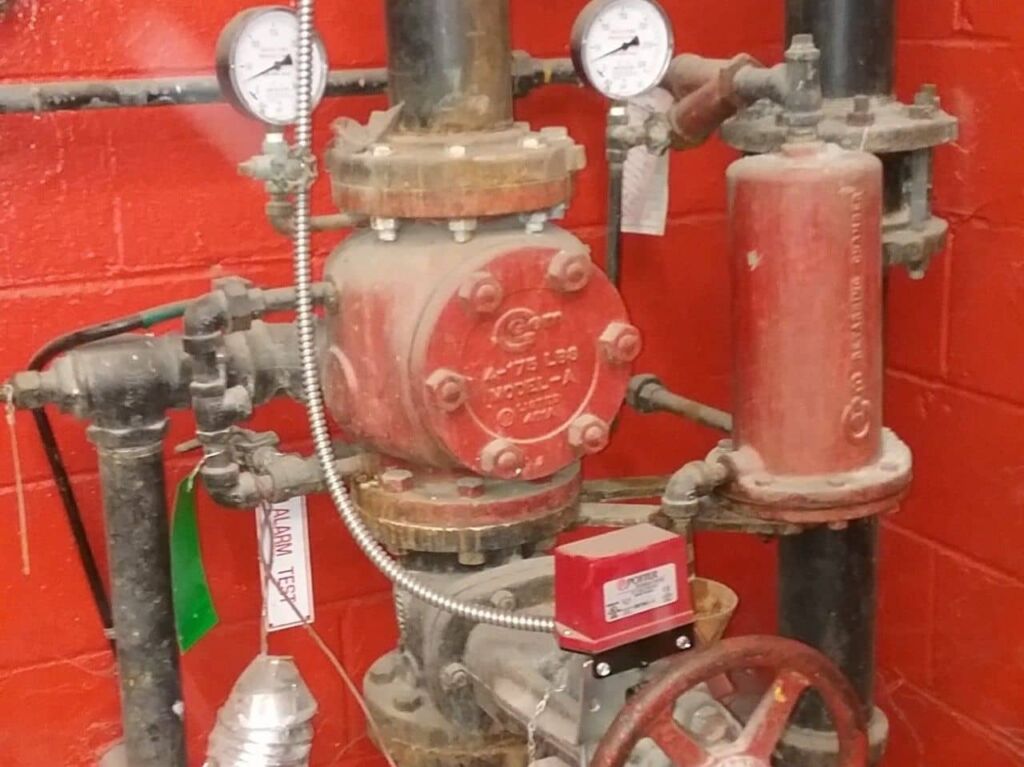
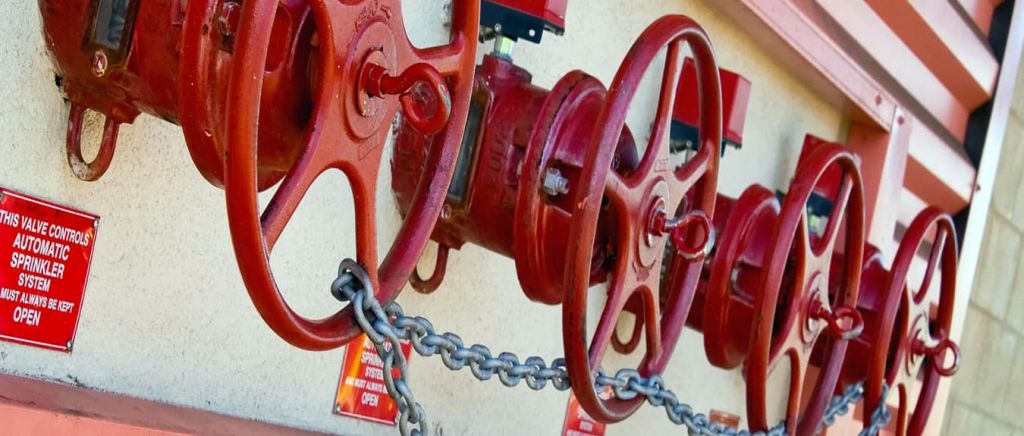
Even the most robust fire sprinkler system is rendered useless if critical valves are left closed or the system has otherwise not been properly maintained. For this reason, the importance of inspection, testing, and maintenance (ITM) of sprinkler systems in warehouses is significant.
NFPA data indicates that 79 percent of sprinkler system failures could have been prevented with proper ITM. Regular inspections can identify potential issues such as corrosion or leaks before they lead to catastrophic failures. Periodic ITM is mandated by codes and standards like NFPA 25, Standard for the Inspection, Testing, and Maintenance of Water-Based Fire Protection Systems, which specify frequencies for various tasks, ranging from weekly to annually. Warehouse owners or their designated representatives are responsible for ITM, often hiring qualified contractors to do the work.
Learn more
These are just some of the many unique fire protection challenges for warehouse and other similar distribution centers. For more information, check out our Warehouse Fire Safety fact sheet.
Watch a short clip from a recent NFPA webinar titled Evolving Warehouse Challenges and Fire Protection Systems. Access the full version.
Additionally, an April 2025 webinar from NFPA featured a 90-minute discussion on evolving warehouse challenges and their impact on fire protection systems and system ITM. The conversation not only covered unique fire protection challenges for warehouse, fire protection systems, and how NFPA 13 and NFPA 25 can help, but also considerations for warehouse fire alarm systems and NFPA 72®, National Fire Alarm and Signaling Code®. Register and watch the webinar for free.
SOURCE: NFPA

Fire Sprinkler Installation & Management
Fire Protection Contractors License #C16-1045293
For more information please visit:















































































PEOPLE We Protect
































Our Distributors and Suppliers








Experience
Our team started in the fire protection industry over 20 years ago. Since then we have grown into a statewide fire protection construction leader. Our team of project managers, engineers, designers, inspectors, installers, and technicians all share a passion for quality work and high standards. Precision Fire Protection understands the need to complete projects with integrity, safety, and precision!
Dedication
Our mission is to provide our customers with timely, high quality, affordable fire protection services that are guaranteed. We strive to achieve our client’s complete satisfaction. We are relentless in applying the highest ethical standards to ourselves and to our services and in communications with our customers. We aim to fulfill that mission in everything we do.
Precision
Precision Fire Protection keeps its team together, even when it's not. Just as vital as field personnel’s tools are, our project managers are equipped with the latest software to manage projects. Our project managers send dailies, RFIs, and plan revisions to the cloud so that everyone has access no matter where they are. Being connected is our way of ensuring every project goes smoothly.
Safety
Our team of multi-certified managers and supervisors are highly experienced in job safety. Our managers are OSHA certified to handle each project with care and sensitivity to every unique job site. By ensuring on-site safety on every project we work on throughout Southern California, Precision Fire Protection has developed positive relationships with our General Contractors.
